
Why It Happens and How to Fix It
Uh-oh. There’s water in the bottom of your dishwasher. You open the door after a wash cycle, expecting clean, dry dishes, but instead, you see standing water pooled inside. What’s going on–why is the dishwasher standing water? Is your dishwasher broken?
Not necessarily. A dishwasher not draining is a common problem, and in most cases, you can fix it yourself without calling a service technician.
This guide will explain:
- Why there’s water remaining in your dishwasher
- Easy ways to unclog a dishwasher
- When to call Meticulous Plumbing for help
Why Is There Water in the Bottom of Your Dishwasher?
A dishwasher won’t drain if something is blocking the flow of water. There are a few main reasons why this happens:
- Clogged drain hose – The drain hose carries water out of the dishwasher. If it’s clogged, water gets stuck.
- Blocked garbage disposal – If your dishwasher drains through the garbage disposal, a clog there can cause standing water.
- Dirty filter – A clean filter is essential for draining. A dirty one prevents water from flowing out.
- Broken drain pump – The drain pump moves water out of the dishwasher. If it’s faulty, the water stays put.
- Malfunctioning air gap – If you have an air gap (a small device by your sink faucet), it might be clogged.
Now that we know the causes, let’s go step by step and fix your dishwasher.
How to Fix Standing Water in Your Dishwasher
1. Check and Clean the Dishwasher Filter
The filter is the number one reason for a dishwasher not draining. It traps food particles and debris to prevent them from clogging the pipes. But if it’s dirty, water in your dishwasher has nowhere to go.
How to clean the filter:
- Remove the bottom rack of your dishwasher.
- Find the filter at the bottom of the tub. It usually looks like a small, round cap.
- Twist and lift it out.
- Rinse it under warm water and scrub off any gunk.
- Put the clean filter back in place.
Clean your filter once a month to keep your dishwasher draining properly.
2. Unclog the Drain Hose
The drain hose carries dirty water from the dishwasher to your home’s plumbing. If it’s clogged, the dishwasher won’t drain properly.
How to unclog the drain hose:
- Turn off the power to the dishwasher. If the dishwasher is hardwired, you’ll need to go to the electrical panel to turn it off.
- Find the drain hose (it’s under the sink or behind the dishwasher).
- Remove the drain hose from the dishwasher and sink. This can be extremely difficult as the dishwasher is usually screwed into place and the wiring may not have enough slack to pull the dishwasher out. Consult the owner’s manual for more information.
- Look inside for blockages—food particles and grease are common.
- Use a wire hanger or a brush to clear any clogs.
- Reattach the hose and run a quick wash cycle to test.
3. Check the Garbage Disposal
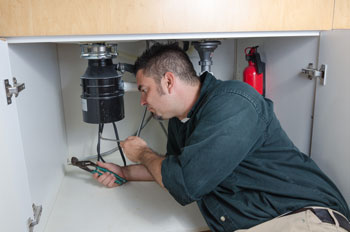 Did you know your garbage disposal can prevent your dishwasher from draining? Many dishwashers drain through the disposal, so if it’s clogged, the water has nowhere to go.
How to fix it:
- Run the garbage disposal for 30 seconds to clear any debris.
- Look inside for stuck food scraps and remove them.
- Flush with warm water to ensure the drain is clear.
Always run the garbage disposal before starting a dishwasher cycle to avoid clogs.
4. Clear the Air Gap (If You Have One)
An air gap is a small cylinder by your sink faucet. It stops dirty water from flowing back into your dishwasher. If it’s clogged, standing water can build up.
How to clean the air gap:
- Unscrew the air gap cap.
- Look inside for food particles or debris.
- Use a toothbrush or a paperclip to clear out any clogs.
- Run water through the gap to make sure it’s clear.
5. Check the Drain Pump for Issues
The drain pump is what pushes water out of the dishwasher. If it’s broken, the water in the bottom won’t go anywhere.
How to check the drain pump:
- Remove the bottom rack.
- Locate the drain pump (near the filter).
- Look for any food or debris blocking it.
- If it’s making weird noises, it may need replacing—call a service technician.
Preventing Dishwasher Drain Problems
Now that your dishwasher is draining properly, let’s keep it that way. Follow these simple tips to avoid future clogs:
- Scrape food off plates before loading the dishwasher.
- Run the garbage disposal before starting a wash cycle.
- Clean your filter once a month.
- Flush with hot water regularly to prevent buildup.
- Check the drain hose for kinks or clogs.
By following these easy steps, your dishwasher will stay in top shape.
Are My Dishes Still Clean If There’s Standing Water?
If you open your dishwasher and notice standing water at the bottom, you may wonder if your dishes are truly clean. In most cases, dishes that have gone through a full wash cycle are sanitized and free from food particles, even if there is water remaining in the dishwasher. The wash cycle uses high-temperature water and detergent to break down grease, remove bacteria, and rinse away debris. However, standing water could indicate that dirty water did not drain properly, which may leave behind residue or an unpleasant odor.
If the standing water is clear and free of food particles, your dishes are likely clean but may feel damp or have a soapy film. If the water appears murky, contains food debris, or has an odor, it is best to rewash your dishes after addressing the drainage issue. To ensure consistently clean dishes, it’s important to fix the cause of the standing water as soon as possible.
Addressing the underlying problem, such as a clogged drain hose, a dirty filter, or a malfunctioning pump, will prevent water from pooling at the bottom of the dishwasher. Regular maintenance, including cleaning the filter and running the garbage disposal before a cycle, can help keep your dishwasher running efficiently and ensure that every wash leaves your dishes spotless.
FAQs About Dishwasher Standing Water
- Why is there water remaining in my dishwasher after a wash cycle?
This usually means the dishwasher isn’t draining properly. Check the filter, drain hose, garbage disposal, and air gap for clogs.
- How do I unclog a dishwasher that won’t drain?
Start by cleaning the filter and checking the drain hose. If the problem persists, try running the garbage disposal or clearing the air gap.
- What should I do if my dishwasher still has standing water after cleaning the filter?
If you’ve cleaned everything and the dishwasher won’t drain, the drain pump may be broken. You may need a service technician to inspect it.
- Can I use drain cleaner in my dishwasher?
No. Drain cleaner contains harsh chemicals that can damage your dishwasher. Stick to hot water, vinegar, and baking soda instead.
- When should I call a plumber for a dishwasher not draining?
If you’ve tried all these fixes and the water in your dishwasher still won’t drain, call Meticulous Plumbing. We’ll diagnose and fix the problem for you.
Call Meticulous Plumbing for Expert Dishwasher Repairs
If you have tried every troubleshooting method and your dishwasher still won’t drain, it’s time to call in the professionals. Meticulous Plumbing has the experience and expertise to diagnose and resolve any dishwasher drainage issue. Whether it’s an obstructed drain hose, a clogged garbage disposal, a malfunctioning drain pump, or a blocked air gap, our skilled plumbers can quickly and efficiently restore your dishwasher to proper working condition.
Don’t let standing water cause unnecessary stress—contact Meticulous Plumbing today and let us handle the problem for you.