
Switching to a tankless system is a great way to ensure you never run out of hot water during your morning shower. These modern units are highly efficient because they heat water instantly on demand instead of keeping a giant tank hot all day long. However, heating water in a matter of seconds takes a massive burst of concentrated energy. Understanding the tankless water heater power requirements before making the switch will save you from unexpected installation surprises.
The utility needs of these systems depend entirely on the fuel source you choose for your home. Both options have specific installation demands that alter your existing infrastructure. Let’s look at the electrical requirements for both types so you can make an informed choice for your property.
The Massive Energy Demand of an Electric Tankless System
If you decide to install an electric tankless unit, you must prepare for a significant increase in electrical demand. Traditional tank units use a relatively small amount of power over a long period to heat water slowly. In contrast, an electric tankless water heater requires flash-heating cold ground water to a comfortable temperature in real time. This instantaneous process demands an incredible amount of electrical current all at once.
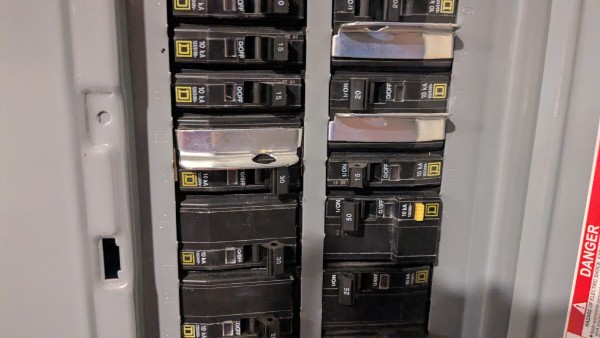
A typical whole-house electric unit often requires three or four separate 40-amp circuit breakers inside your main power box. It also demands heavy-gauge wiring routed directly to the location of the unit. This means the system alone can draw anywhere from 120 to 150 amps of power when multiple hot water taps are running at the same time.
Why a Gas Tankless Unit Still Needs Electricity
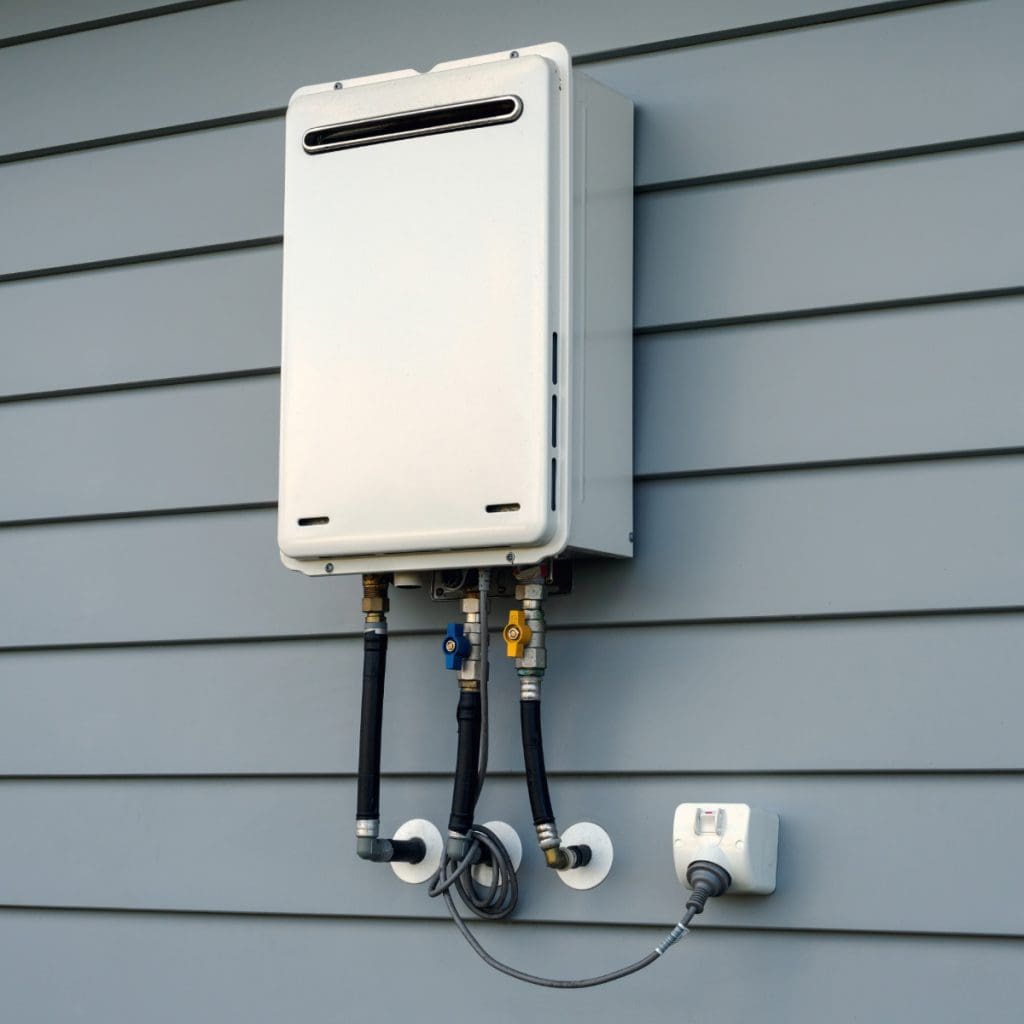 Many homeowners assume that a gas tankless system operates completely independent of their electrical system. While it is true that natural gas or propane handles the actual heating duty, electricity is still a vital component. A gas model utilizes an internal computer board to regulate water flow, monitor safety sensors, and modulate the gas burners.
Because of these electronic components, a gas system requires a standard 120-volt electrical outlet located right next to the installation site. The unit uses a modest amount of electricity, typically around three to five amps, just to power the digital display and spark the electronic ignition. You must ensure you have a dedicated plug available to keep the system running safely.
Assessing Your Home Electrical Panel Capacity
Before you purchase any new water heating equipment, you need to take a close look at your main electrical panel. Most older homes feature a standard 100-amp or 120-amp electrical service, which is perfectly fine for basic household appliances. However, if you add a whole-house electric tankless system to that setup, the water heater will instantly maximize your entire power capacity.
To run an electric model safely alongside your stove, dryer, and air conditioner, your home will generally need a 200-amp or 300-amp service panel. Upgrading your home service panel is a significant project that requires professional planning. If your current panel cannot support the heavy load, a gas-powered unit might be a more practical alternative for your budget.
Frequently Asked Questions About Tankless Water Heater Power Requirements
Will an electric tankless unit cause my household lights to flicker?
If your electrical panel is not properly sized, your lights may dim or flicker when the water heater turns on. This happens because the unit draws a massive amount of current as soon as you open a hot water faucet. A correct panel load calculation prevents this voltage drop.
Do tankless systems require a special type of disconnect switch?
Yes, local electrical codes usually require a dedicated safety disconnect switch located within sight of the water heater. This switch allows a technician to cut all power to the equipment instantly before performing any routine maintenance or repair work on the lines.
What happens if my incoming groundwater is exceptionally cold?
Cold groundwater forces your system to work much harder to reach your desired temperature. This increased workload means an electric unit will maximize its power draw for a longer duration. You must size the heating elements correctly to handle the coldest winter temperatures in your area.
Is a dedicated circuit breaker required for a gas tankless unit?
Yes, it is highly recommended to place the outdoor or indoor outlet on a dedicated circuit breaker. Sharing an outlet with other garage or basement appliances can trip the breaker unexpectedly, leaving you with cold water in the middle of a shower.
How do I know if my current electrical panel can handle the upgrade?
You can check the main breaker at the top of your panel to see the total amperage rating stamped on the switch. If it reads 100 amps, you will definitely need a comprehensive panel upgrade before installing a whole-home electric model.
Get Expert Advice on Your Next Water Heater
Choosing the right water heating system requires balancing your daily household needs with your home’s existing utility infrastructure. Making a mistake with electrical wiring or gas line sizing can lead to poor performance and safety hazards.
Let our experienced team evaluate your current setup and help you find the perfect permanent solution for your home. Reach out to Meticulous Plumbing today to schedule your consultation and keep your household water running hot.