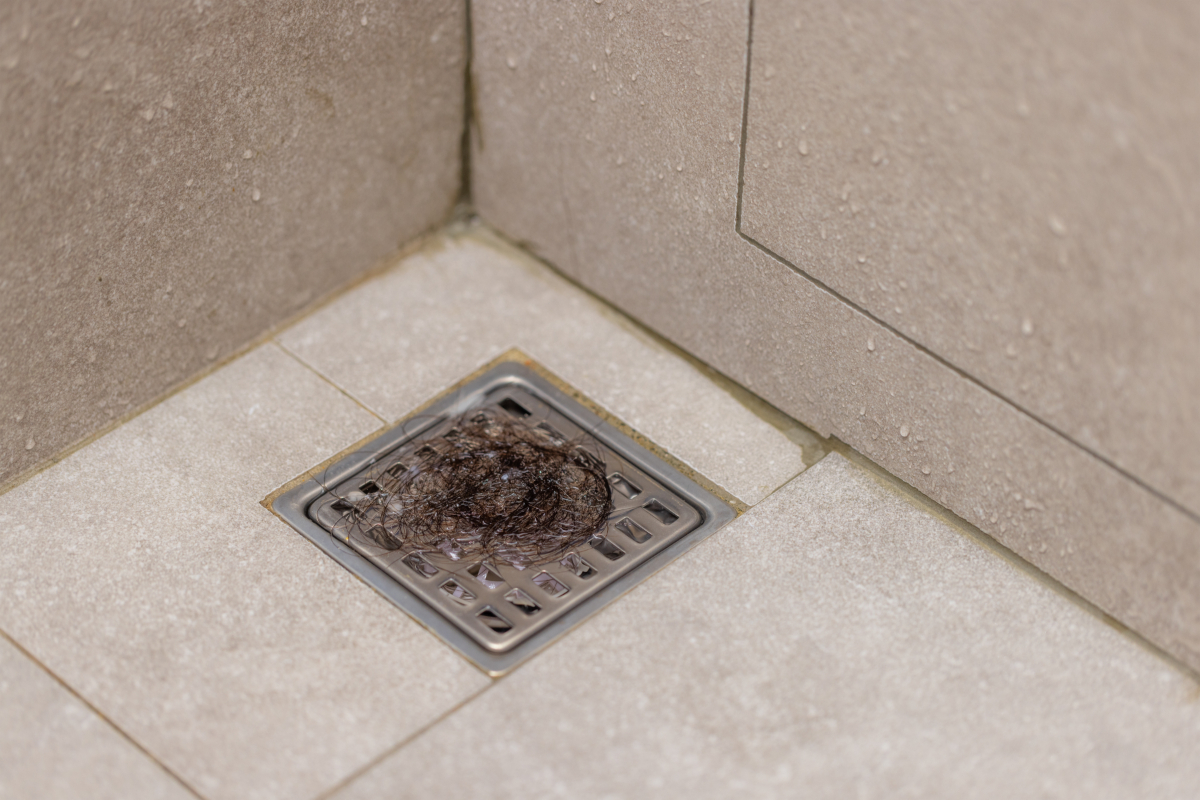

Dealing with a slow shower or bathroom sink drain can quickly ruin your morning routine. Most of the time, the main culprit hiding down in the pipe is a stubborn clump of hair. Hair is incredibly tough, and it does not break down on its own anytime soon. When you are standing in a pool of soapy water, you want to know exactly what dissolves hair in a drain fast so your life can get back to normal.
Before you grab a random bottle of fluid from under your sink, it helps to understand what you are up against. Dissolving hair requires specific ingredients because of how hair is built. At the same time, you have to protect your plumbing lines from accidental damage. Let’s look at the options that work, what happens inside your pipes, and how to fix the problem safely.
Why Hair Creates the Ultimate Drain Plug
 Hair is uniquely designed to cause plumbing headaches. Each strand is made of a tough, fibrous protein called keratin, which is the exact same material found in your fingernails. This protein is highly resistant to water and normal household soaps. When strands of hair wash down the drain, they easily snag on the rough edges of drain stoppers, pivot rods, or the inside walls of your pipes.
Once a few strands get caught, they act like a net. This net starts catching everything else you rinse down the drain, including thick bar soap, heavy hair conditioners, body oils, and dead skin cells. Over time, this mixture congeals into a thick, waterproof plug. Because the hair holds the whole mess together like rebar in concrete, a simple flush of hot water will not wash it away.
The Chemistry Behind Store-Bought Drain Cleaners
If you walk down the cleaning aisle at a local grocery store, you will find several products designed to dissolve hair. Most of these liquid drain openers fall into two main categories: caustic cleaners and acid cleaners. Caustic cleaners usually contain heavy amounts of sodium hydroxide, which is commonly known as lye, or sodium hypochlorite, which is standard bleach.
These ingredients are highly alkaline, meaning they sit at the opposite end of the pH scale from acids. When a caustic liquid hits a hair clog, it triggers a chemical reaction that actively breaks down the disulfide bonds holding the keratin proteins together. Within fifteen to thirty minutes, the tough hair strands turn into a soft, mushy gel that can theoretically wash down the line.
Acid cleaners work similarly but use high concentrations of sulfuric or hydrochloric acid to scorch and dissolve the organic material.
Dissolving Hair in a Drain: The Unintended Danger to Your Home Pipes
While chemical cleaners are highly effective at melting hair, they carry significant risks for your household plumbing system. The chemical reaction that dissolves keratin is exothermic, which means it generates an immense amount of intense heat inside your dark pipes. If you have modern plastic PVC pipes under your sink or shower, this extreme heat can soften, warp, or melt the plastic joints, leading to hidden leaks behind your walls.
Older homes with metal pipes face a different kind of danger. Strong acids and caustic chemicals are highly corrosive to cast iron, lead, and galvanized steel lines. If the chemical cleaner does not clear the clog completely on the first try, the corrosive liquid sits trapped inside the metal pipe. As it sits there, it slowly eats away at the old metal walls, eventually creating pinhole leaks that may require whole home pipe replacements.
Do Baking Soda and Vinegar Actually Dissolve Hair?
Many homeowners prefer to avoid harsh chemicals and search for a natural alternative using kitchen ingredients. The most famous DIY method is mixing baking soda with white vinegar. When you pour baking soda down the drain followed by vinegar, the mixture fizzes violently and creates a lot of carbon dioxide gas bubbles.
This bubbling action is great for breaking up sticky grease, loosening soap scum, and deodorizing a smelly drain. However, science tells us that baking soda and vinegar cannot dissolve hair. The chemical reaction between these two mild kitchen ingredients is simply not strong enough to break down the tough keratin protein. It might clear away the sticky soap holding the hair together, but the physical strands will remain in your pipe.
Dissolving Hair in a Drain: The Slow and Safe Power of Enzyme Cleaners
 If you want a chemical-free solution that actually targets hair, enzyme or biological drain cleaners are an excellent choice. These products do not use harsh acids or lyes to melt clogs. Instead, they contain living bacteria cultures and natural enzymes that are specifically grown to eat organic waste like hair, grease, and skin cells.
The main drawback to enzyme cleaners is that they work very slowly. They do not give you the instant gratification of a chemical flush. It can take several hours, or even a couple of days, for the enzymes to fully digest a thick hair clog. Because they are completely non toxic and generate zero heat, they are one hundred percent safe for every type of pipe material and will never harm your living space.
Why Pulling Hair Out Beats Melting It
When you look at the big picture, physically removing a hair clog is always a better choice than trying to dissolve it. Pulling the hair out completely eliminates the block immediately without risking any chemical damage to your plumbing system. You also avoid introducing toxic materials into our local water supply.
You can buy a cheap, flexible plastic drain tool with small barbs along the sides from any local hardware store. You simply slide this plastic strip down into the drain grate, twist it around a few times, and pull it back up. The barbs catch the hair net easily, allowing you to pull the entire messy clog out into a trash can in just a few seconds. For deeper clogs, a standard hand cranked plumbing snake can reach further down the line to grab the blockage.
What Dissolves Hair in a Drain? Simple Habits to Avoid Hair Clogs Entirely
The easiest way to deal with a hair clog is to prevent the strands from entering your waste pipes in the first place. Investing in a high quality silicone or stainless steel drain strainer is the most effective step you can take. These simple screens sit right on top of your tub or shower drain, catching loose hair before it ever slips into the plumbing system.
Another great habit is to thoroughly brush your hair right before you step into the shower or bath. This removes the majority of loose, shedding strands while you are still dry, keeping them out of your wash water. Finally, make it a habit to flush your bathroom drains with a gallon of boiling water once a week to melt away fresh soap scum before it can catch any stray hairs.
Frequently Asked Questions About What Dissolves Hair in a Drain
Can I use boiling water alone to clear a hair clog?
Boiling water is fantastic for melting down grease and soft soap film, but it will not dissolve hair strands. If your clog is mostly made of hardened hair conditioner, a splash of boiling water might loosen things up enough to let the clump slide further down the line. However, if the hair is wrapped tightly around the drain hardware, boiling water will not clear it.
Is it safe to use chemical drain dissolvers if I have a septic system?
No, you should never pour standard chemical drain cleaners down your pipes if your home uses a septic tank. Septic systems rely on a delicate balance of natural bacteria to break down household waste. Pouring harsh chemicals down the line kills off those helpful bacteria, which can cause your entire septic field to fail and back up.
Why does my shower drain keep clogging with hair every few weeks?
If you are constantly dealing with recurring blocks, the original clog was likely never fully removed. Chemical liquids often just melt a small hole through the center of a hair mass to let water pass by temporarily. The remaining hair strands stay attached to the pipe walls and immediately start catching new debris all over again.
Will standard household bleach dissolve a hair clog if I let it sit?
Pure household bleach can slowly degrade hair over a long period, but it is not an effective or safe solution for a clogged line. Bleach lacks the thick, gel like consistency needed to cling to a vertical clog, so it mostly flows right past the hair mass. Pouring large amounts of bleach down your lines can also damage pipe seals.
What should I do if a chemical cleaner is sitting in a completely blocked drain?
If you poured chemicals down the line and the water is still not draining, you have a dangerous situation. Do not try to plunge the drain or use mechanical tools, as the caustic water can splash onto your skin or into your eyes. You need to let the water cool completely and call in professional help to safely manage the toxic mixture.
Can color treated hair products make drain clogs worse?
Yes, certain specialty shampoos, heavy glosses, and deep conditioning treatments contain high amounts of silicone and oils designed to coat the hair. When these heavy products rinse down the drain, they create an exceptionally sticky residue inside your pipes. This residue catches shedding hair much faster than standard soap.
Are custom fit strainers better than generic pop up drain stoppers?
Yes, standard pop up stoppers that built into your sink usually have a metal rod assembly sitting directly inside the water path. This rod is a magnet for hair snags. Replacing or covering that setup with a fine mesh drop in strainer catches loose hair at the surface, making it much easier to clean out after every shower.
Get Professional Help for Your Portland Home
If you have tried clearing your drains and are still dealing with slow water, stubborn blocks, or hidden plumbing leaks, it is time to bring in an expert. Trying to solve deep pipe issues on your own with store bought chemicals can end up costing you thousands of dollars in ruined plumbing lines down the road.
You deserve a permanent, clean solution that protects your living space. Reach out to Meticulous Plumbing today to set up a professional service visit and keep your home running beautifully.