
What Portland Homeowners Should Know
Short answer: If your home still has galvanized pipes, plan to replace them. Most were installed before the 1960s, and they rust from the inside out. That leads to low water pressure, brown water, and eventually leaks. Replacing them with modern PEX or copper water lines fixes the problem for good.
Galvanized steel was the go-to pipe for decades, and plenty of Portland’s older homes still have it. Like polybutylene pipe, it’s an older material that simply wasn’t built to last forever. If you’re not sure what you have, start with our guide on how to tell if you have galvanized pipe. If you already know, here’s what galvanized pipe replacement involves.
When Should Galvanized Pipes Be Replaced?
Galvanized pipes usually last 40 to 60 years, so most of what’s still in Portland homes is past its prime. You don’t have to wait for a leak, though. These are signs it’s time:
- Low water pressure that keeps getting worse, especially on upper floors
- Brown or rusty water, often when you first turn on a tap
- Uneven pressure, where one faucet works fine and another barely trickles
- Leaks or damp spots near pipes, especially at joints
- You’re buying or selling a home, since inspectors and insurers often flag galvanized plumbing
Can Galvanized Pipes Affect My Water Quality?
They can. As the inside of the pipe rusts, it builds up rough scale that can trap lead. That lead can come from the pipe’s own zinc coating or from older lead pipes upstream. The EPA now classifies some galvanized water lines as “galvanized requiring replacement” for this reason. You can read more in the EPA’s basic information about lead in drinking water.
Can I Repair a Section of Galvanized Pipe Instead of Replacing It All?
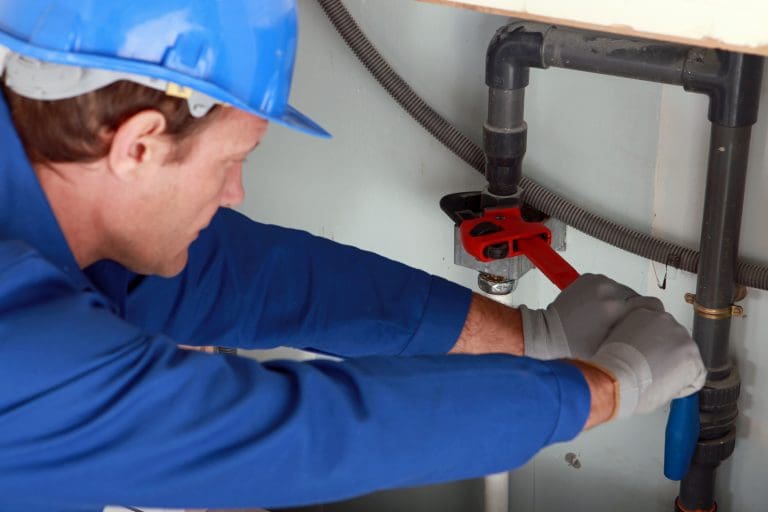 You can, but it’s usually a short-term fix. When one section of galvanized pipe fails, the rest of the pipe is the same age and has been rusting the same way. Patching one leak often means another one shows up a few months later somewhere else.
There’s also a hidden risk when old and new pipe meet. Connecting galvanized steel directly to copper causes the metals to react and corrode faster at the joint. A good plumber uses a special fitting to prevent this, but the old pipe on the other side is still old.
A partial repair makes sense if a single section has failed and you’re planning a full replacement soon. Otherwise, a whole-home repipe is the way to solve the problem permanently.
What Replaces Galvanized Pipe?
Most galvanized pipe today is replaced with PEX or copper. Both last far longer and won’t rust the way steel does.
- PEX is a flexible plastic pipe. It bends around corners with fewer fittings, holds up well in a freeze, and is the most common choice for repipes today.
- Copper is a long-lasting metal pipe that has been used in homes for generations. Some homeowners prefer it for its durability and track record.
Each has its strengths, and the right pick depends on your home and your priorities. We break it down in PEX vs. Copper: Which Is Better for Your Repipe?
What Happens During a Galvanized Pipe Replacement?
A galvanized pipe replacement swaps out the old water lines that carry water to your sinks, tubs, toilets, and appliances. Here’s how we handle it:
- Look at the whole system. We check where your galvanized pipes run, what condition they’re in, and whether any other parts of your plumbing need attention.
- Walk you through the plan. You’ll know what we’re replacing, which material we recommend and why, and how long the job should take, before any work starts.
- Plan around your water. Your water will need to be off while we work on certain sections. We’ll tell you when, so you’re not caught off guard.
- Install the new water lines. We run new pipe to each fixture and connect everything to your main shutoff.
- Test everything. We check every connection for leaks and make sure the pressure is right at each faucet.
- Clean up and recycle. We haul away the old pipe and recycle the metal.
Should I Replace the Water Line From the Street Too?
If the main water line between your meter and your house is also galvanized, it’s smart to replace it at the same time. Otherwise, rust from the old line can keep flowing into your new plumbing. Learn more about our water line repair and replacement.
What Affects the Cost to Replace Galvanized Pipes?
 Every home is different, so the cost depends on a few main things:
- Size of the house and how many bathrooms, sinks, and appliances need water
- How much galvanized pipe is left, since some homes were partly updated years ago
- Pipe material, PEX or copper
- How easy the pipes are to reach, such as through an open basement or a tight crawlspace
- Whether the main water line from the street needs replacing too
The best way to get a real number is to have a plumber look at your home. We’ll give you a clear, upfront quote with no surprises.
Is It Worth It to Replace Galvanized Pipes?
For most homeowners, yes. You get steady water pressure, clean water, and peace of mind. You also avoid the cost of water damage when an old pipe finally gives out.
Will Insurance Cover Replacing Galvanized Pipes?
Usually not. Most homeowners insurance treats old pipes as regular upkeep. It may cover sudden water damage from a burst pipe, but not the replacement itself. Some insurers charge more for, or decline to cover, homes with galvanized plumbing. Check with your insurance company for details.
Why Choose Meticulous Plumbing for Galvanized Pipe Replacement?
 Replacing your water lines is a big job, and you should feel good about who’s doing it. Meticulous Plumbing is a family-owned Portland company, and we treat your home the way we’d want ours treated:
- We show up on time, in uniform, and wear shoe covers inside.
- We explain the risks and your options clearly before any work starts.
- We clean up every day and recycle old pipe and materials.
- We’ll do a whole-house plumbing inspection while we’re there, so you know about anything else worth fixing.
Galvanized Pipe Replacement FAQs
Is galvanized pipe still used for water lines?
Not in homes. Galvanized pipe hasn’t been the standard for drinking water lines in decades. If you have it, it’s almost certainly original to an older house.
How long does galvanized pipe replacement take?
It depends on the size of your home and how much pipe needs replacing. We’ll give you a timeline before we start.
Can I stay in my house during a repipe?
Yes, most people do. Your water will be off for parts of the job, and we’ll plan those times with you ahead of time.
Should I replace galvanized pipes before selling my house?
It’s worth considering. Buyers, inspectors, and insurers often flag galvanized plumbing, and updated water lines can make your home easier to sell.
Ready to find out what’s carrying water through your home? Schedule a visit online, call or text (503) 208-2812, or see the areas we serve.