
What It Costs and What Actually Happens
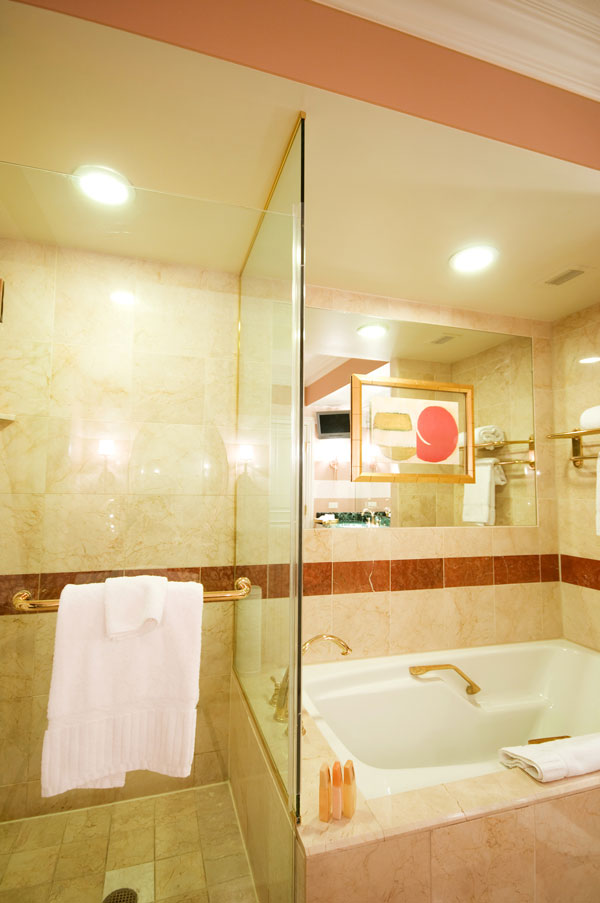
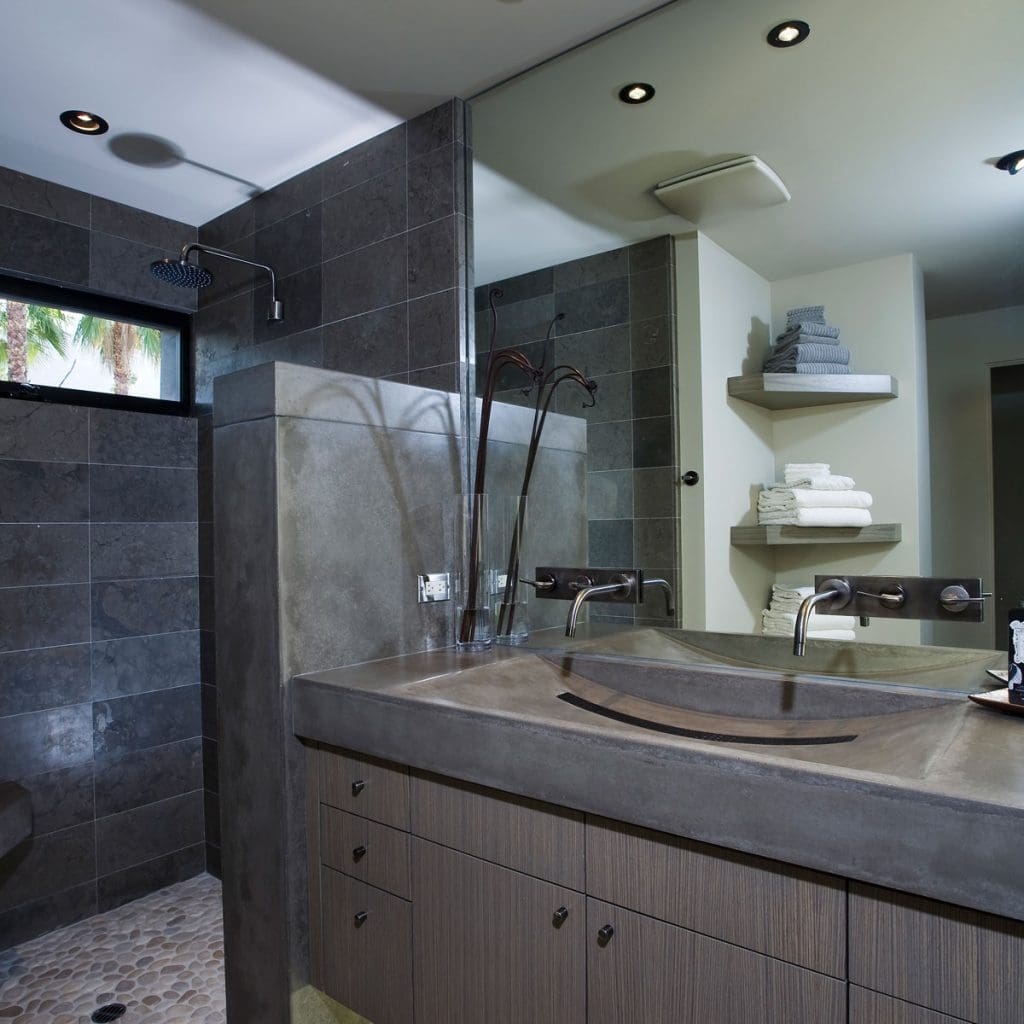
A tub to shower conversion is one of the most popular bathroom updates homeowners request, and it’s easy to see why, since a walk-in shower is easier to clean, safer to step into, and often makes a small bathroom feel more open.
Shower conversions like this come down to more than a cosmetic swap, though. Before you commit, it helps to understand what’s actually involved on the plumbing side, since that’s the part determining whether your new shower works well for the next twenty years or starts causing problems in year two.
What Is a Tub to Shower Conversion?
At its simplest, a tub to shower conversion means removing your existing bathtub and replacing it with a walk-in shower in the same footprint. You’ve probably seen ads for prefab liner kits that promise a one-day install over your existing tub, but those products are a cosmetic cover-up rather than a true conversion.
A real tub-to-shower conversion involves removing the old tub entirely, relocating the drain to the center of the new shower base, adjusting the water supply lines, and setting the valve and shower head at the right height for the new layout, a distinction that matters more than most homeowners realize going in.
The Plumbing Side of a Tub to Shower Conversion
 This is where our work comes in, and it’s the part of the project most likely to cause headaches down the road if it’s rushed or handled without the right experience.
- Drain relocation. A tub drain sits at one end, while a shower drain typically needs to sit in the center of the pan for proper drainage, which means moving that drain by working underneath the floor, usually the most labor-intensive part of the whole project.
- Valve and trim work. Tub valves and shower valves aren’t interchangeable, and even when they look similar, the rough-in height and spacing usually need to change to fit a shower’s layout and function correctly once everything is tiled in.
- Water supply adjustments. Depending on your home’s existing plumbing, the supply lines may need extending, rerouting, or upgrading to reach the new valve location without a drop in water pressure.
- Proper slope. A shower pan needs a precise slope toward the drain so water doesn’t pool or seep where it shouldn’t, and getting this wrong is one of the most common causes of hidden leaks in a shower conversion. This isn’t something you can fix later without tearing everything back out.
We handle the plumbing portion of your conversion, from demo of the old tub’s connections through rough-in for your new shower. Tile, glass, and cabinetry are outside our lane, so we coordinate with your contractor on the finish work while we focus on getting everything behind the wall right.
Tub to Shower Conversion Cost
The plumbing work for a tub to shower conversion typically runs a few thousand dollars, though the exact number depends on how far the drain needs to move and what your existing plumbing looks like behind the wall. Homes with easy access from below, like a basement or crawl space, tend to cost less than homes where we have to work through a slab.
The plumbing cost is separate from finish costs like the shower pan, tile, glass, and fixtures, which is usually why you’ll see such wide cost ranges quoted online. A firm number for your home comes from an in-person look at your plumbing, not a guess based on square footage.
Walk-In Shower vs. a Traditional Tub
More homeowners are choosing a walk-in shower over a tub, and the reasons fall into a few categories. Accessibility is a big one, since a curbless or low-threshold walk-in shower is safer to step into for anyone dealing with mobility concerns now or planning. Daily convenience matters too, since most households use their shower far more than their tub. A well-planned walk-in shower also tends to make a bathroom feel more spacious, opening up sightlines that a boxy tub tends to block.
That said, a tub isn’t wrong for every home. If your household includes small kids or you genuinely use the tub, it’s worth thinking through carefully, since a conversion isn’t something you’ll want to reverse.
What to Expect When You Work With Us
A shower conversion is not the place to cut corners on labor, since drain relocation and slope work happen behind the wall, meaning any mistakes stay hidden until they show up as water damage or a leak below. That’s why we start every project with a real conversation about what your existing plumbing can support.
We walk your bathroom with you before any work starts, explain what the plumbing side of your conversion involves in plain language, and give you clear, upfront pricing before we touch anything. Once work begins, that means shoe covers, a clean job site, and old materials recycled responsibly instead of left in a dumpster.
If you’re planning a full bathroom remodel alongside your conversion, we handle the plumbing for that too, working alongside your contractor so everything comes together on schedule.
Frequently Asked Questions About Tub to Shower Conversions
How much does a tub to shower conversion cost?
The plumbing portion typically runs a few thousand dollars depending on drain relocation and access to your existing pipes, with finish materials like tile and glass costing separately on top of that.
Do I need a plumber for a tub to shower conversion?
Yes, if you want a real conversion rather than a liner kit placed over your existing tub. Moving a drain, adjusting supply lines, and setting a new valve all require licensed plumbing work.
Is a walk-in shower cheaper than a conversion kit?
A kit is usually cheaper upfront, but it doesn’t change your underlying plumbing or drain position. A true conversion costs more because it solves the problem permanently instead of covering it up.
How long does the plumbing portion of a conversion take?
Most tub-to-shower conversions take one to two days for the plumbing rough-in, though it can run longer if the drain relocation is more involved.
Ready to find out what a tub-to-shower conversion looks like for your bathroom? We’re happy to take a look and walk you through it. Call or text us at 503-208-2812.