
If your home was built or re-plumbed between about 1978 and 1995, there’s a real chance it has polybutylene pipe. It’s a gray plastic water line that was once promoted as the pipe of the future. Today, it’s one of the most common reasons we recommend replacing a home’s water lines. Here’s how to identify it, why it fails, and what to do about it.
What Is Polybutylene Pipe?
Polybutylene (often called “poly-B” or “PB”) is a flexible plastic pipe that carries fresh water to your sinks, tubs, toilets, and appliances. Builders liked it because it was inexpensive, quick to install, and less likely than metal pipe to burst in freezing weather.
From 1978 until manufacturers stopped producing it in the mid-1990s, polybutylene was installed in an estimated 6 to 10 million homes across the country. The Pacific Northwest was one of the regions where it was used most, so plenty of Portland-area homes from that era still have it.
How Do I Know If I Have Polybutylene Pipe?
You don’t need any special equipment to check. Look for these signs:
- Color: Most poly-B is gray, although it can also be white, silver, blue, or black.
- Feel: It’s flexible plastic, usually bent into gentle curves instead of cut and joined at sharp angles.
- Size: It typically measures between ½ inch and 1 inch in diameter.
- Stamp: Many pipes are printed with the code “PB2110.”
Where Should I Look?
 Start with the easiest places to reach:
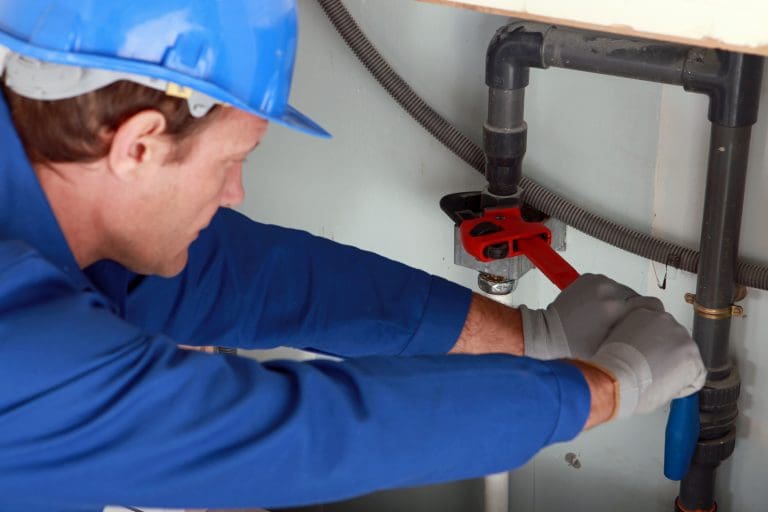
- Around your water heater, where the supply lines connect at the top
- Under bathroom and kitchen sinks, where pipes come out of the wall
- Behind toilets, at the supply line
- In the basement or crawl space, running along the ceiling or floor joists
- Where the main water line enters the house, near the shut-off valve
A previous plumber may have replaced the short, visible sections under your sinks with copper. The pipe inside the walls could still be polybutylene. Finding one copper connection doesn’t mean your whole house is in the clear.
Why Does Polybutylene Pipe Fail?
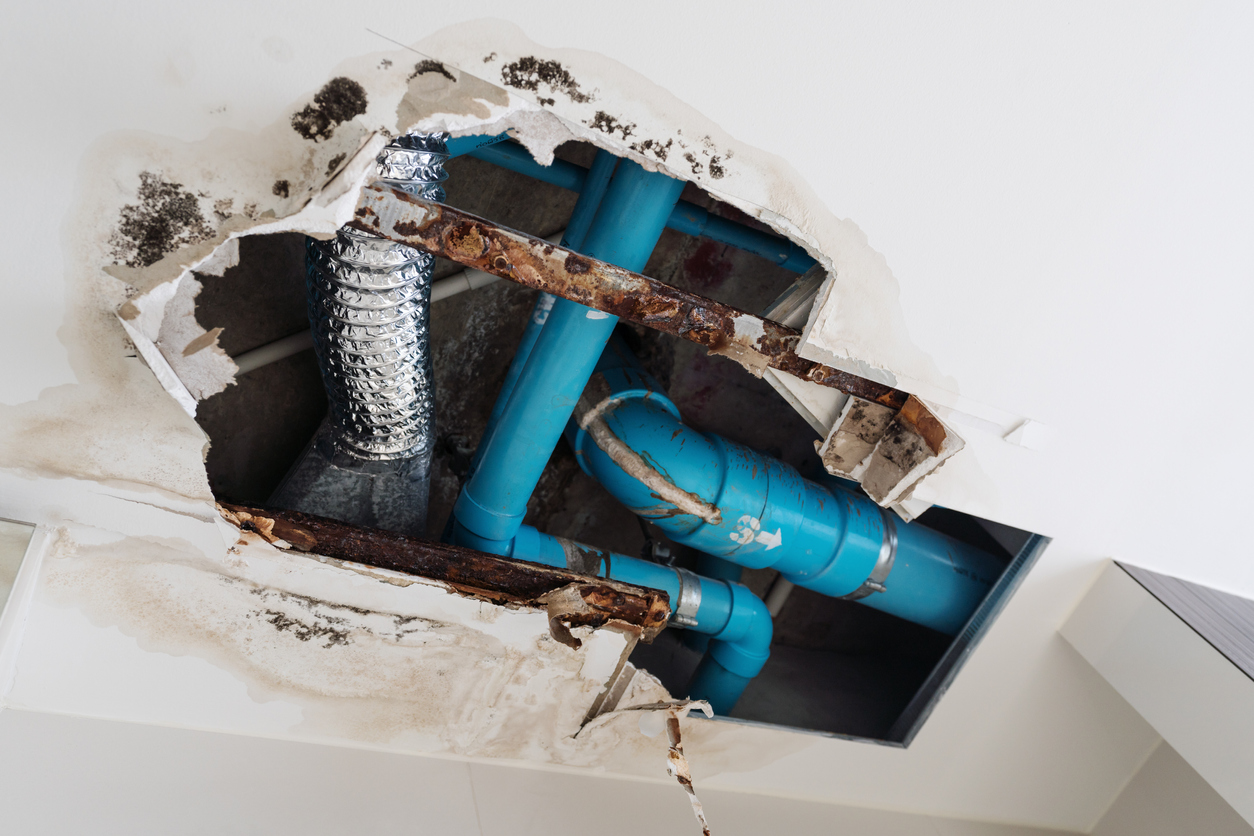
The problem starts on the inside of the pipe. The chlorine and other disinfectants that cities add to drinking water slowly react with the plastic. That makes the inner wall brittle and causes it to flake. Over the years, tiny cracks form and gradually work their way outward until the pipe begins to leak.
Because the damage develops from the inside, the pipe can look perfectly normal right up until it fails. The fittings that connect sections together are known weak spots too.
Why Was Polybutylene Pipe Taken Off the Market?
By the late 1980s, reports of leaking polybutylene systems were piling up across the United States. Homeowners filed class action lawsuits against the companies that made the pipe and its fittings. The largest case settled in 1995, around the same time manufacturers stopped producing poly-B for household water lines.
That settlement stopped accepting new claims in 2009, so today the cost of repairing or replacing polybutylene falls to the homeowner.
Should I Replace My Polybutylene Pipe?
In most cases, yes. The majority of polybutylene in Portland homes is now 30 to 45 years old, which is well past the point where these pipes tend to wear out.
Patching a single leak doesn’t solve the underlying problem, because the rest of the pipe has been exposed to the same water for the same number of years. That’s why we usually recommend replacing all of it at once, a process called repiping. You’ll have dependable new pipe throughout the house and can stop wondering where the next leak will show up.
What Happens During a Repipe?
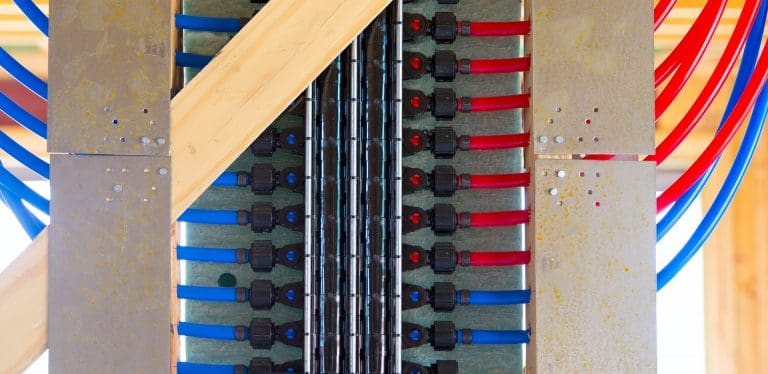 It’s more straightforward than most people expect. We’ll:
- Walk through the house with you to locate every polybutylene line and explain what we find.
- Talk through your options, including which pipe material makes the most sense for your home and budget.
- Give you a clear plan and price before any work begins.
- Protect your home with shoe covers and drop cloths, and clean up thoroughly when we’re finished.
- Recycle the old pipe and fittings instead of sending them to a landfill.
If you’re already planning a kitchen or bathroom remodel, that’s an ideal time to replace polybutylene, since the walls may already be open.
Polybutylene Pipe FAQs
Is polybutylene the same as PEX?
No. PEX is a newer plastic pipe material with a much better track record, and it’s what most homes are re-plumbed with today. PEX is usually bright red, blue, or white and stamped “PEX,” while polybutylene tends to look duller and is stamped “PB.”
When was polybutylene pipe banned?
Rather than being banned by a single law, polybutylene was phased out when manufacturers stopped producing it for household water lines around 1995, after years of leak complaints and the class action lawsuits that followed.
Can polybutylene pipes last 30 years?
Some do, but it’s not something to count on. Most polybutylene in Portland homes is already 30 to 45 years old, and because the damage develops inside the pipe, age alone doesn’t tell you how close a section is to failing.
Should I buy a house with polybutylene pipe?
Plenty of people do, but go in with realistic expectations. Have a plumber confirm how much polybutylene the home contains, and plan for replacing it in your budget, so a future leak doesn’t catch you by surprise.
Does polybutylene leak all at once?
Sometimes it drips slowly inside a wall for weeks before anyone notices, and other times a pipe or fitting splits and releases a lot of water quickly. There’s no reliable way to predict which will happen, or when.
How Meticulous Plumbing Can Help
We’re a local, family-owned plumbing company, and we’ve worked in many Portland homes from the polybutylene era. Whenever we come out for a service call, we offer a whole-house plumbing inspection. We’ll check your water lines, water heaters, fixtures, and shut-off valves and tell you plainly what we see.
If your home has polybutylene pipe, we’ll show you exactly where it is, explain the risks, and help you decide what makes sense for your house. We show up on time, wear uniforms and shoe covers, and leave your home as clean as we found it.
Think your home might have polybutylene pipe? Give Meticulous Plumbing a call to schedule a visit. We’ll help you find out for sure and plan a fix that lasts.