
What Is a Slab Leak and How Do Plumbers Fix It?
When you own a home, you expect to handle basic household maintenance from time to time. You might fix a loose cupboard door, clean out your gutters, or tighten a dripping faucet under the kitchen sink. However, some of the most important components of your house are completely invisible to you. Slab leak plumbers can help detect, and address, leaks under your home.
Many homes are built on top of a thick, solid layer of poured concrete. This structure is known as a concrete foundation. Before that concrete layer was poured into place, builders laid down a complex network of freshwater pipes directly into the dirt. These pipes carry all the fresh water into your kitchen, bathrooms, and laundry room.
When one of these buried pipes develops a small hole or a crack, it is called a slab leak. Because the pipe is buried under inches of stone and concrete, catching this plumbing issue early requires paying close attention to how your home behaves.
What Causes a Pipe to Leak Under Poured Concrete?
It is completely natural to wonder how a sturdy pipe buried deep underground can suddenly start leaking. After all, those pipes are completely protected from weather, sunlight, and accidental physical impacts. In many older homes, the main culprit is simply the natural aging process of the metal pipe material itself.
Over several decades, copper lines and older galvanized pipes experience a chemical reaction with the surrounding soil. This reaction slowly wears down the metal walls until a tiny pinhole forms.
Another common cause involves the very ground your house rests upon. Soil naturally expands and contracts as the seasons change and groundwater levels rise and fall. This subtle movement causes the heavy concrete foundation of your home to shift slightly over time. If a water line is pressed tightly against a sharp rock or a hard piece of concrete, this shifting creates constant friction. After some time, that friction rubs a hole straight through the pipe, creating a silent plumbing issue.
Clear Warning Signs of Hidden Water Leaks
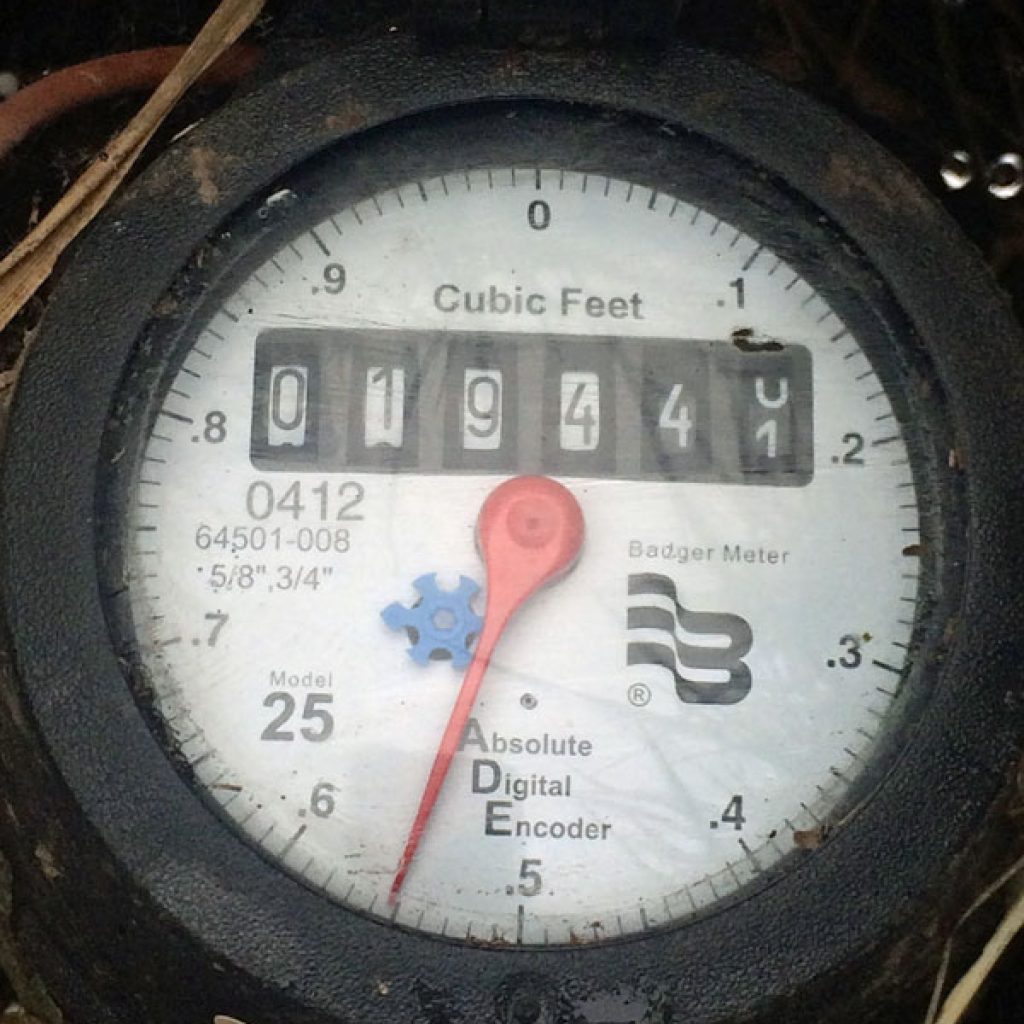 Since you cannot physically see beneath your concrete floor, you have to look for secondary clues that water is escaping. One of the very first indicators of a problem is a sudden, unexplained jump in your monthly water bill. If your family has not changed its daily washing or watering habits, but your bill keeps climbing, water is likely escaping somewhere in your plumbing system.
Signs of an active underground leak include:
- An unexpected, noticeable drop in your household water pressure.
- The sound of faint, constant rushing water behind your walls or beneath your floors when all faucets are turned off.
- Unusually warm spots on a specific section of your vinyl, tile, or laminate flooring.
- A water heater that seems to run continuously without stopping.
When a leak occurs on the hot water line, it acts like an open faucet that never gets turned off. Your hot water tank will constantly work under heavy stress to heat up fresh, cold water to replace the water escaping beneath your floor. This extra workload can cause your energy bills to rise alongside your standard water bill. If you ignore these water leaks, the constant moisture can eventually travel upward, warping your wood floors and dampening your baseboards.
The Non-Invasive Process of Slab Leak Detection
Finding a broken pipe beneath a massive sheet of concrete sounds like a guessing game, but experienced professionals use an orderly system to pinpoint the trouble spot. Professional slab leak detection does not involve randomly breaking up your floors. Instead, plumbers use a careful process of elimination to narrow down the location of the broken water line.
First, the plumber will perform a comprehensive pressure check on your entire plumbing system. By shutting off the main water valve to the house and monitoring the system, they can confirm if the pipes are holding pressure perfectly. If the pressure drops, they know an active leak exists. From there, they isolate individual plumbing lines one by one. By checking how individual zones hold water, they can confidently trace the plumbing problems down to a single room or hallway.
Your Options for Professional Slab Leak Repair
Once a plumber identifies the exact line that is leaking, they will walk you through the options for a permanent fix. There are two primary ways to handle a slab leak repair, and the right choice depends entirely on the age and overall condition of your pipes.
The first method is a direct spot repair. This requires carefully opening a small, localized section of your concrete foundation to expose the broken pipe. The plumber then cuts out the bad section of pipe and installs a fresh, durable piece of material.
The second, and often preferred, method is called a pipe bypass or a redirection. If your home has old galvanized pipes that are rusting from the inside out, fixing a single spot might not solve the larger problem. A spot repair on a weak pipe often just pushes the water pressure down the line, causing a new leak to form a few weeks later.
In this scenario, the plumber leaves the broken underground line dead in the earth forever. They then run a brand new, modern water line through your walls or upper ceiling to restore your freshwater connection safely.
What to Ask Before Hiring Slab Leak Plumbers
 Dealing with an underground water leak can feel overwhelming, but asking the right questions will help you find a trustworthy partner for the job. You want to ensure you are working with an experienced professional who respects your property, your time, and your budget. Before any work begins, ask the contractor to explain their diagnosis process in plain language so you completely understand how they found the issue.
Always ask for a clear, written breakdown of the repair options before they start cutting into your home. A reliable plumber should be able to tell you whether a simple spot repair is safe or if a complete line redirection is a smarter investment for the long-term health of your property. Finally, ensure they are fully licensed, carry proper insurance, and have a proven history of helping homeowners manage complex residential plumbing problems successfully.
Frequently Asked Questions About Slab Leak Plumbers
Can low water pressure across the house mean I have an underground leak?
Yes, a major leak underneath your foundation can definitely cause a drop in your daily water pressure. When a pipe breaks open underground, a large volume of water escapes into the dirt instead of traveling up to your showers and sinks. This loss of volume leaves less moving water available for your plumbing fixtures, making your faucets feel weak.
How can a tiny underground pipe failure cause a high water bill?
Even a tiny pinhole leak in a pressurized water line can waste hundreds of gallons of water over the course of a single week. Because your home plumbing system is always under constant pressure, water escapes through that small opening every second of the day, resulting in a surprising spike on your utility statement.
Are older homes more likely to experience plumbing problems under the slab?
Yes, homes built several decades ago are significantly more vulnerable to foundation leaks. Older building trends often utilized galvanized iron or early copper lines that naturally break down after thirty or forty years of constant contact with damp soil and moving groundwater.
What should I do first if I suspect a hidden leak under my concrete foundation?
Your very first step should always be to check your main water meter on the street. Turn off every single faucet and appliance inside your house, then watch the small dial on the meter. If that dial is spinning while everything inside is off, you have proof that water is actively escaping somewhere in your system.
Will a slab leak cause the foundation of your home to shift or crack?
If left unresolved for a long period, thousands of gallons of escaping water can slowly wash away the supportive soil beneath your concrete foundation. This erosion creates hollow pockets under the heavy stone, which can eventually cause the concrete to settle unevenly and lead to visible cracks in your drywall.
Let Us Protect the Foundation of Your Home
You do not have to navigate complicated residential plumbing issues on your own. If you are worried about an unexpected jump in your water bill, low pressure, or suspect you have hidden leaks beneath your floors, let our friendly team provide the clear answers and reliable service you deserve.
We treat your property with the highest level of care, focusing on permanent solutions that keep your household running smoothly. Contact Meticulous Plumbing today to set up a professional evaluation and restore total peace of mind to your home.