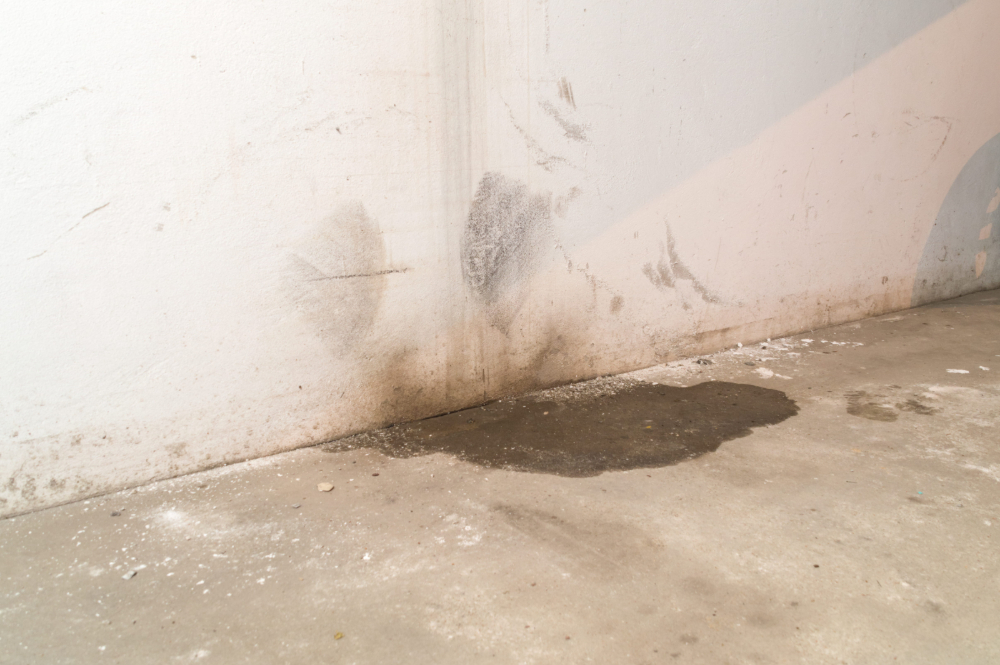

As a homeowner, you work hard to keep your house in great shape. But some problems hide entirely out of sight. One of the most stressful plumbing issues you can face is a hidden leak under your concrete foundation. But how do you detect a slab leak?
Most modern homes are built on a solid concrete base, known as a slab. The main pipes that bring clean water into your house run directly beneath this concrete. When one of these buried pipes springs a leak, the water has nowhere to go. It slowly pushes its way up into your home’s foundation. This is what plumbers call a slab leak.
Because these broken pipes are buried deep underground, they are very hard to spot right away. If you ignore them, they can cause serious structural damage to your house. We put together this simple guide to help you understand what to look for. Read on to learn the top warning signs and find out exactly how to detect a slab leak before it causes major trouble.
6 Common Signs of Slab Leak Problems
Since you cannot see the pipes under your floor, you have to look for clues inside your living spaces. The water escaping from the broken pipe will always leave a trail. If you notice any of these common signs of slab leak activity, you should take action quickly.
 1. A Sudden Spike in Your Water Bills
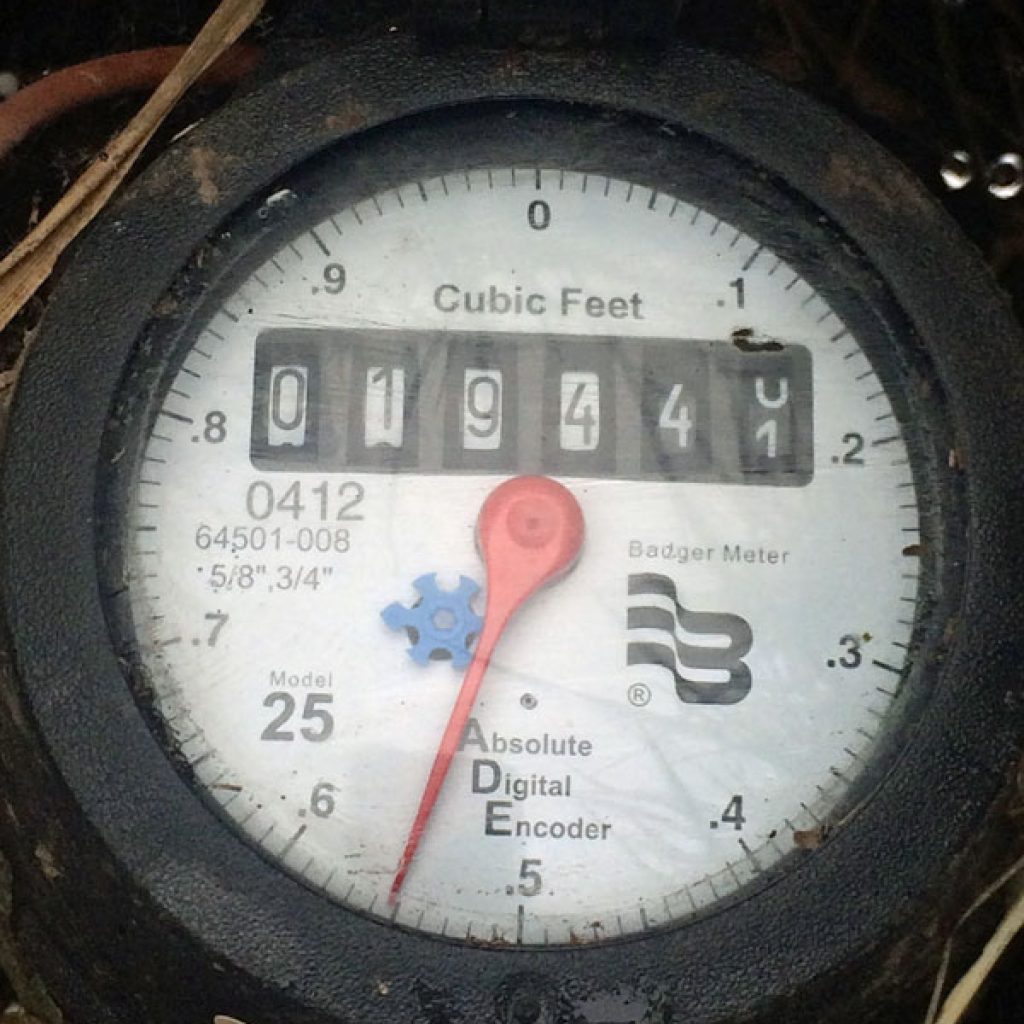
This is often the very first clue for homeowners. If your family is using the exact same amount of water every week, but your monthly water bills suddenly double or triple, you have a hidden leak. The water running out of the broken pipe under your floor runs constantly, 24 hours a day, which drives up your meter readings fast.
2. Warm or Hot Spots on Your Floor
Many slab leaks happen in the pipes that carry heated water from your water heater to your bathrooms. If you walk across your kitchen tile or living room carpet barefoot and feel a strange, unusually warm spot, a hot water pipe may be leaking directly beneath that area.
3. The Sound of Running Water
When your house is completely quiet at night, listen closely. Do you hear the faint sound of running water, a soft hissing, or a quiet trickling noise? If all your faucets are turned off and your appliances are not running, you should not hear water moving through your walls or floors.
4. Unexplained Damp Spots or Mold
As water pushes up through the concrete slab, it will soak into your flooring. You might notice dark, damp spots forming on your carpets or hardwood planks warping and lifting at the edges. Because this moisture gets trapped under the floorboards, it creates the perfect environment for mold to grow. If a room suddenly has a strong, musty smell, hidden moisture is the likely cause.
5. A Sudden Drop in Water Pressure
Your home relies on a sealed system to keep your water flowing strongly. When a pipe breaks under the floor, a large amount of water escapes before it ever reaches your faucets. This causes a sudden drop in water pressure throughout the entire house. If your shower is suddenly weak, a major leak could be to blame.
6. Cracks in Your Walls or Flooring
When water washes away the dirt beneath your concrete foundation, the heavy concrete can actually shift or sink. This shifting creates immense stress on your house. You might see jagged cracks traveling up your drywall or large cracks splitting your floor tiles.
How Do I Know If I Have a Slab Leak? (The DIY Meter Test)
If you see a few slab leak symptoms but want to be absolutely sure, you can perform a simple test yourself. The best way to confirm a hidden leak is to check your home’s main water meter. Here is a quick, step-by-step guide to testing your plumbing system:
- Turn Off All Water: Go through your house and turn off every faucet, shower, and hose. Make sure your washing machine and dishwasher are not running.
- Find Your Water Meter: Your meter is usually located near the street under a heavy metal or plastic lid.
- Check the Leak Indicator: Look at the face of the meter. Most meters have a small triangle, star, or tiny wheel on the dial. This is the leak indicator. If that small dial is spinning while all your water is turned off, water is still flowing somewhere. You definitely have a leak.
- The Waiting Test: If your meter does not have a small spinning indicator, write down the exact numbers on the dial. Wait for 30 minutes to an hour without using any water in the house. Check the numbers again. If the numbers have gone up, you have a hidden leak on your property.
What to Do When You Confirm a Slab Leak
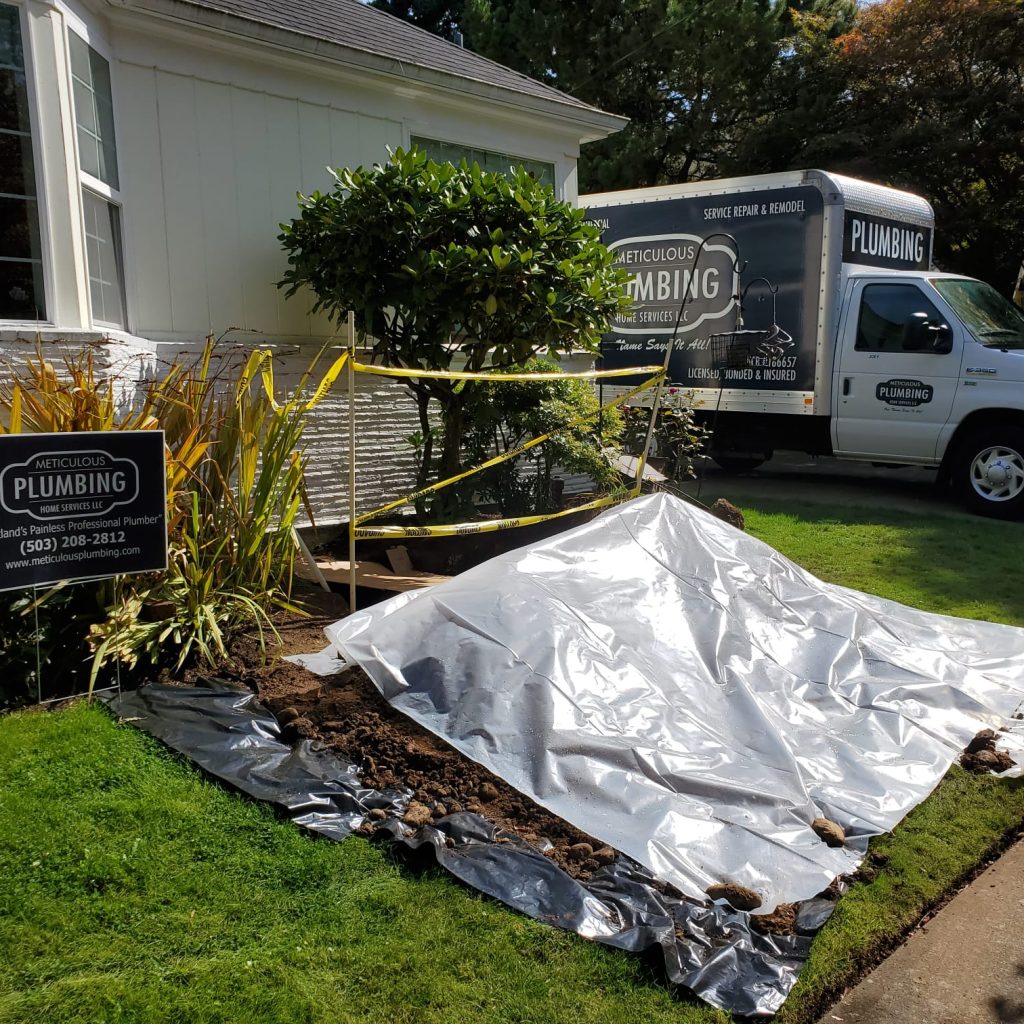 If your meter test proves that water is running, you need professional help to locate and fix the broken pipe. Because the leak is buried under thick concrete, it requires a careful, planned approach.
Professional plumbers have safe, proven ways to test your water lines and isolate the exact pipe that is causing the problem. Once the leaking line is identified, a common and safe solution is to simply reroute the plumbing. Instead of breaking open your floor to reach the bad pipe, plumbers can run a brand-new, secure water line above the floor, often routing it neatly through your walls or attic space.
This completely bypasses the broken pipe under the concrete and protects your home’s floors and foundation.
Get Expert Help for Your Home Today
Dealing with a broken pipe under your foundation is overwhelming. You do not have to handle the stress of high water bills and damp floors on your own. You need a trustworthy team that will explain your options clearly and fix the problem for good.
At Meticulous Plumbing, we specialize in keeping Portland homes safe and dry with water leak repairs. We are a family-owned, locally operated business that believes in honest pricing, clean work, and permanent solutions. We will assess your system, locate the source of the problem, and guide you through the best way to secure your plumbing. We also recycle old materials and leave your home just as clean as we found it.
Suspect a slab leak? Don’t wait — call Meticulous Plumbing for leak detection in Portland, OR.
From Our Clients
“Thoroughly enjoyed my time with Adam for my consult. Very nice person and gave great explanations.” – Jess & Graham M
How to Detect a Slab Leak: Frequently Asked Questions
Can a slab leak fix itself over time?
No. Plumbing pipes do not heal. A small leak under your concrete foundation will only grow larger over time. The longer the water runs, the more dirt it washes away from under your house, which can lead to severe structural damage.
Will turning off my main water valve stop the leak?
Yes. If you turn off the main water shutoff valve to your house, it stops the flow of city water into your pipes. This will temporarily stop the leak from causing more water damage while you wait for a plumber to arrive.
Why do pipes break under a concrete floor?
Pipes can fail for a few reasons. Older metal pipes naturally rust and corrode over decades of use. Sometimes, the soil under your home naturally shifts and settles, putting too much weight and pressure on the buried pipes until they snap.
Are hot water leaks more common than cold water leaks?
Yes. The pipes that carry heated water expand and contract every time they heat up and cool down. This constant movement causes the pipe to rub against the surrounding dirt or concrete, which wears down the pipe much faster than a cold water line.
Can you fix a slab leak without destroying my floor?
Yes! In many cases, the safest and cleanest way to fix the problem is to abandon the broken pipe under the floor completely. We can route a brand-new water line through your walls or ceilings to bypass the broken section, keeping your beautiful flooring perfectly intact.