
If you’re staring down a repipe, you’ve probably run into two names over and over: PEX and copper. Both are solid, widely used choices that show up in homes all over Portland, but they’re different enough from each other that picking the right one can affect your budget, your water quality, and how your plumbing holds up over the long term.
Here’s what you actually need to know, in plain terms, so you can walk into that decision with confidence.
What Is Copper Pipe?
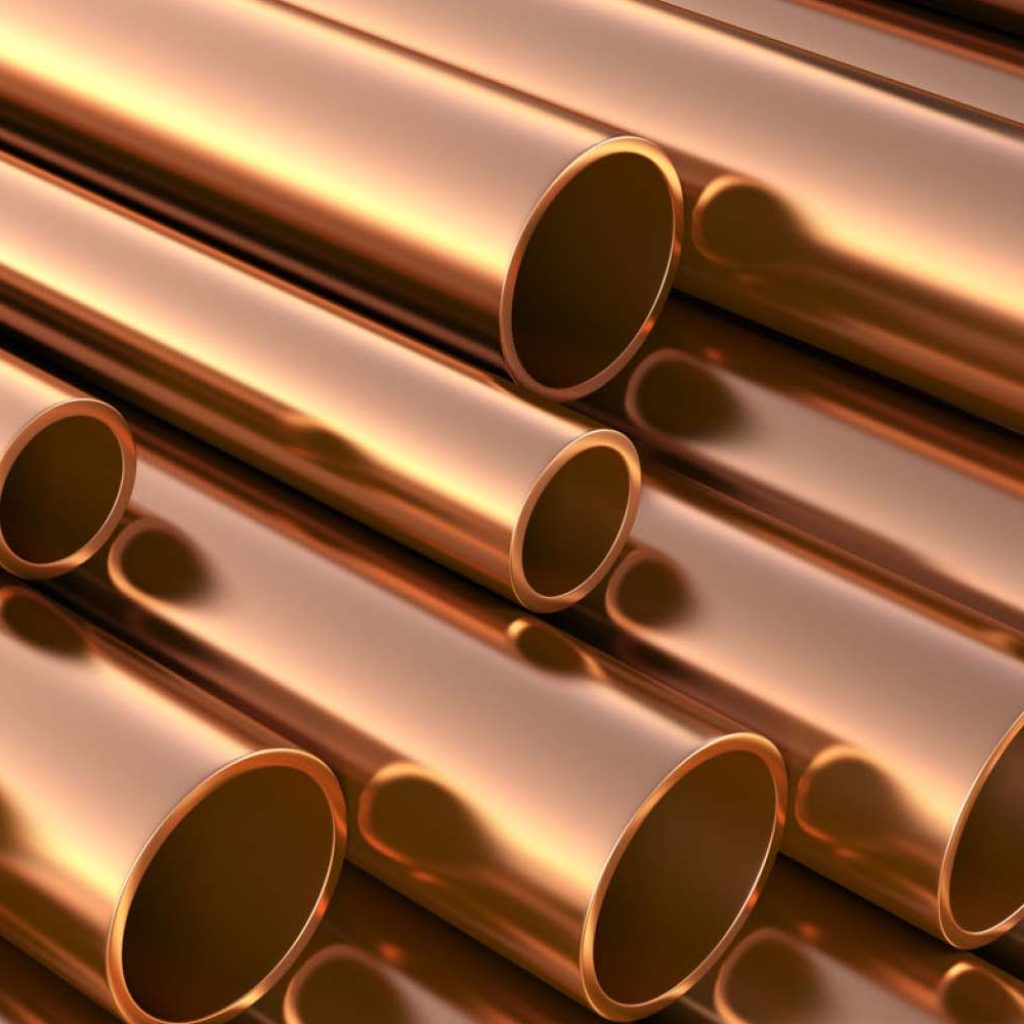
Copper has been the go-to plumbing material for decades, a solid metal pipe that gets soldered together at the joints. It’s strong and naturally resistant to bacteria, and a lot of homeowners like knowing it’s been proven for generations of use in American homes.
The tradeoffs show up in the details: copper is pricier than PEX, both for the material itself and for the labor it takes to install, and it can corrode over time in areas with acidic water. Because it conducts heat and cold so readily, exposed copper pipes are also more prone to freezing during a cold Portland winter.
What Is PEX Pipe?
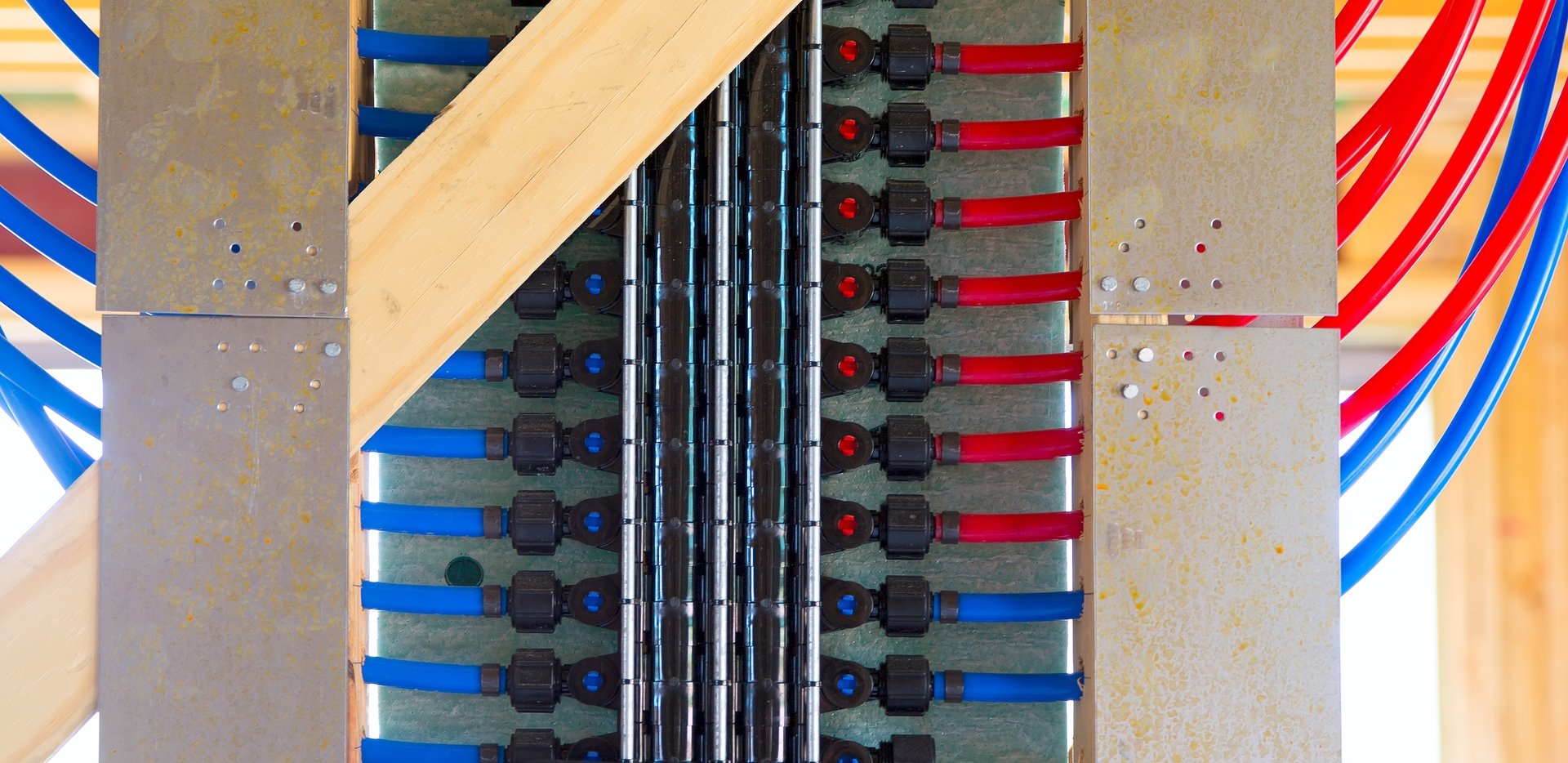
PEX stands for cross-linked polyethylene, a flexible plastic tubing that has become the most common choice for repiping work because it bends instead of requiring rigid pipe and soldered joints. Rather than dozens of connections snaking through walls and floors, PEX plumbing uses long, continuous lines that reduce the number of places a leak could ever start.
Because it flexes, PEX cross linked polyethylene tubing is faster to install and typically costs less than copper, and it won’t corrode the way metal pipe can over the years. It also holds up better against freezing, since it can expand slightly under pressure instead of cracking.
PEX vs Copper Pipe: The Side-By-Side Comparison
 Cost. PEX is almost always the more affordable option, both in materials and labor. If budget is a big factor in your repipe, PEX usually wins here.
- Installation. PEX bends around corners and through tight spaces, which means fewer joints and fittings. Copper needs to be cut and soldered at every turn, which takes more time and more skill.
- Durability. This is where the comparison gets interesting, because copper has a proven track record of lasting 50 years or more when it’s installed and maintained well, while PEX, though newer to the U.S. market, has already shown decades of strong performance in the 40-to-50-year range. Both hold up as solid long-term investments when the installation is done correctly from the start.
- Water quality. Copper is naturally resistant to bacterial growth, which some homeowners prefer. PEX is inert and doesn’t react with most water chemistry, though in rare cases with certain water conditions it can affect taste slightly. Neither poses a health risk when installed to code.
- Freeze resistance. PEX has an edge here. It can expand a bit when water freezes inside it, which lowers (but doesn’t eliminate) the risk of a burst pipe. Copper is rigid and more likely to crack under the same conditions.
- Repairs. PEX plumbing is generally easier and cheaper to repair since it uses simple push-fit or crimp connections instead of soldering. That said, either material is repairable by someone who knows what they’re doing.
Is PEX Worse Than Copper? Addressing the Concerns
You may have come across chatter online suggesting PEX is a lesser choice, and most of that traces back to early versions of the product or to installs that weren’t done to spec. Modern PEX, installed correctly, is a code-approved material trusted by plumbers across the country, including right here in Portland, though it performs best when someone who understands where it should and shouldn’t go is the one putting it in. Exterior lines exposed to direct sunlight are one example, since prolonged UV exposure can weaken PEX over time.
Which One Is Right for Your Home?
There’s no single right answer, it depends on your home, your budget, and your priorities.
- Choose PEX if: you want a more budget-friendly repipe, your home has tight or awkward spaces to route pipe through, or you’re in an area prone to freezing temperatures.
- Choose copper if: you want the most time-tested material available, you’re less concerned about upfront cost, and you like the idea of metal pipe throughout your home.
Plenty of homes end up with a mix: copper for certain exposed runs, PEX for the rest. That’s a conversation worth having with a plumber who can actually see your home’s layout.
How We Help You Decide: PEX vs Copper
 Every repipe starts the same way for us, with a real look at your home instead of a guess over the phone, since PEX vs copper isn’t a decision that should be made blind. We walk through your plumbing, explain what we’re seeing in language that makes sense, and lay out your options, including straightforward pricing, before any work begins. Because we treat your home like it’s our own, that means shoe covers, clean job sites, and materials from the old system recycled responsibly instead of tossed in a dumpster.
Our goal with any repipe stays the same no matter which material you choose: solve the problem permanently, so you’re not dealing with it again in five years.
PEX vs Copper: Frequently Asked Questions
How long does PEX last vs copper?
Both can last 40 to 50 years or more with a proper installation. Copper has a longer track record simply because it’s been around longer, but PEX has held up well in decades of real-world use.
Is PEX cheaper than copper for a whole-house repipe?
Yes, in almost every case. Lower material costs and faster installation both bring the total price down compared to copper.
Can I mix PEX and copper in the same home?
Yes. Many homes use a combination, with copper on exposed or high-heat runs and PEX for the rest of the system.
Does PEX affect water taste?
Rarely, and usually only under specific water conditions. For most homes, there’s no noticeable difference.
Not sure if a repipe is even in your future yet? Take a look at the signs your home needs to be repiped, or get a general sense of what a repipe costs in Portland before you decide.
Ready to talk through your repipe options? We’re happy to walk your home with you and lay out exactly what makes sense for your plumbing. Call or text us at 503-208-2812.