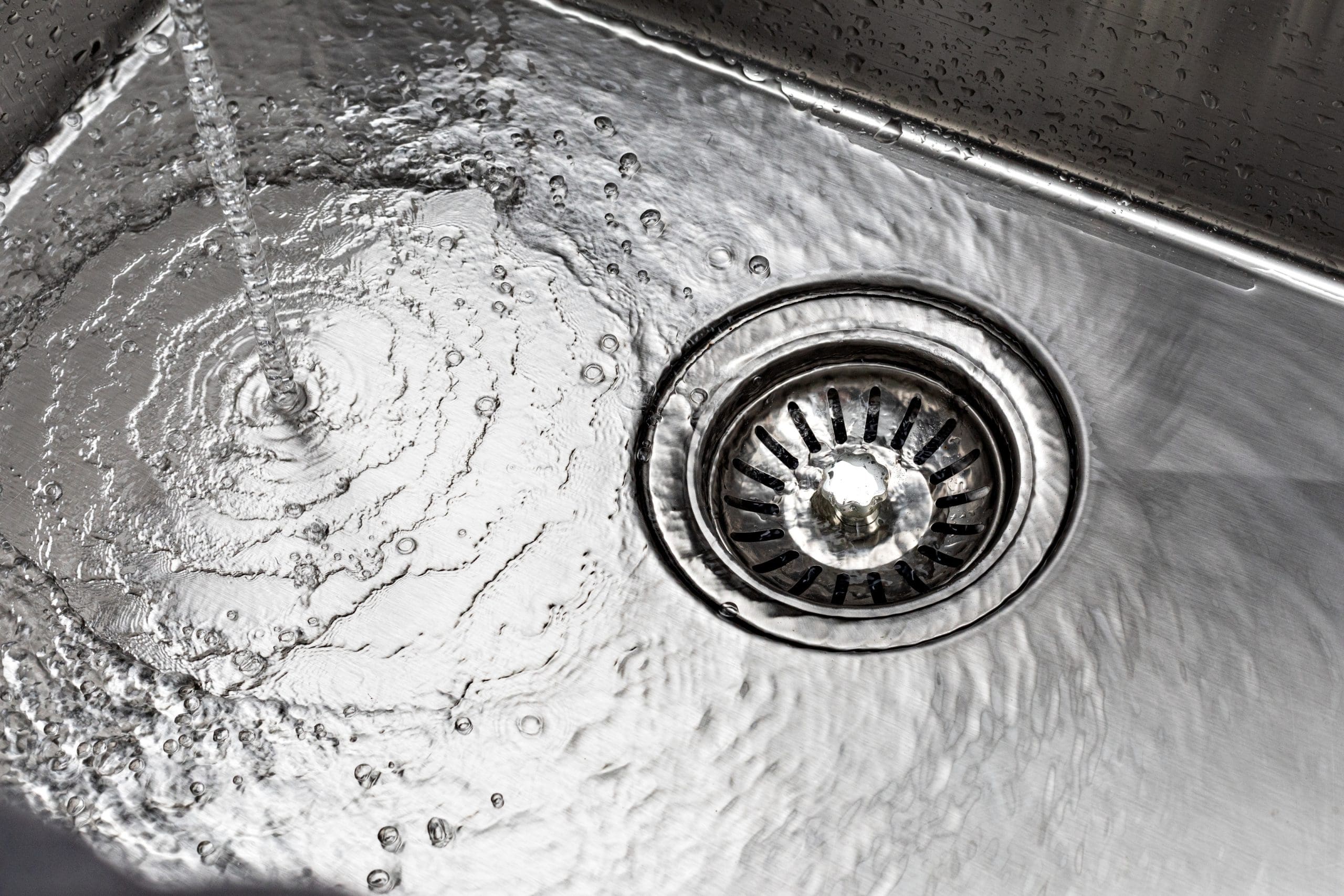

If you’ve ever stood over a slow sink or clogged drain and wondered, “Should I pour boiling water down the drain?”—you’re not alone. It’s one of the most commonly suggested DIY methods for dealing with a clog. And while it might seem like a simple fix, the reality is more complicated.
Pouring boiling water down the drain can help in certain situations, but it’s far from a cure-all. In fact, depending on what your pipes are made of and what’s causing the clog, it could even cause more harm than good.
When Boiling Water Might Help
Let’s start with when boiling water actually can work. If your drain is clogged due to:
- A mild soap scum buildup
- A small amount of grease that hasn’t fully solidified
- Residual gunk that’s not too deep in the line
Then yes, hot water might break it up or move it along enough to restore some flow. The idea is that heat can soften certain blockages and make it easier for gravity to do its thing. However, even in these cases, the effect is usually temporary.
When It Doesn’t Work (and Might Make Things Worse)
Unfortunately, most household clogs aren’t so simple. If your drain is backed up due to:
- Hair and soap scum (a very common combo in bathroom sinks and showers)
- Grease that’s cooled and hardened in the pipe
- Food particles or fibrous material like celery or potato peels
- A deeper blockage in your plumbing system
Then boiling water down the drain is unlikely to fix the problem—and could complicate things. For example, pouring boiling water into a grease-clogged kitchen drain may melt the grease just enough to move it deeper into your pipes, where it can cool again and harden. Now the clog is farther in and harder to reach.
What About Your Pipes?
Here’s the big risk most people don’t think about: PVC pipes. These are common in many modern plumbing systems and are typically rated to handle water temperatures up to around 140°F. Boiling water straight off the stove can reach 212°F, which is more than enough to soften or even warp PVC pipes and joints.
If your plumbing system includes PVC, repeated exposure to boiling water can lead to pipe damage, leaks, or costly repairs down the line. Even if you have metal pipes, extreme temperature changes can stress the joints and connections over time.
Is the Vinegar and Baking Soda Trick Safe?
Mixing vinegar and baking soda is another well-known DIY method for unclogging drains. It’s safe and fun to watch (hello fizz!), but it’s not a guaranteed fix either. It might help loosen minor buildup, but it’s no match for serious blockages.
And combining this method with boiling water can cause unpredictable results, especially if the hot water pushes the loosened debris further into your system.
Better Ways to Unclog a Drain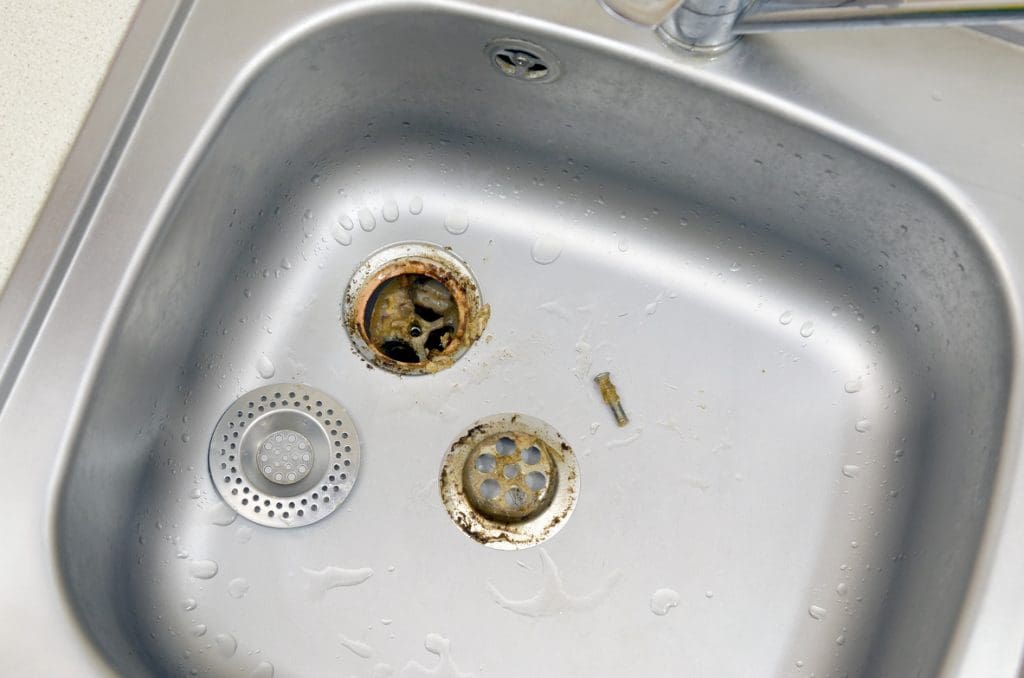
So, if boiling water isn’t the best solution, what should you do when water won’t go down the sink?
1. Try a Plunger
Yes, the old-school plunger still works. For sinks, make sure you cover overflow holes or neighboring drains (like in a double sink) to get better suction. A few good plunges can often clear light to moderate clogs.
2. Clean the P-Trap
Your P-trap is the curved part of the pipe under your sink. It’s a common spot for gunk buildup. Placing a bucket underneath and unscrewing the trap can give you direct access to the clog. Just be ready for a bit of mess.
3. Use an Auger or Drain Snake
If the clog is deeper, a hand-cranked or powered auger may be needed to physically break through or pull out the blockage. This method works well for hair clogs or solid food blockages in kitchen and bathroom drains.
4. Consider a Safe Drain Cleaner
Some chemical drain cleaners are effective—but they should be used sparingly and only if safe for your pipes.
Avoid using these frequently, as they can corrode piping and damage older systems.
Preventing Future Clogs
Once your drain is flowing again, a little prevention goes a long way:
- Avoid pouring grease or oil down the kitchen sink.
- Install a drain screen to catch hair and debris.
- Run hot water (not boiling) after washing dishes to help flush small particles.
- Keep up with routine plumbing inspections—especially in older homes.
So, Should You Pour Boiling Water Down the Drain?
In short: only in very specific cases. Boiling water may help if the clog is light and recent, but it’s rarely a long-term solution. For most clogs, there are better, safer, and more effective ways to clear your pipes.
And remember: if you’re not sure what’s causing the clog—or if boiling water isn’t helping—it’s time to bring in a professional.
Boiling Water Down Drain FAQS
1. Is it safe to pour boiling water down the drain?
It depends. While boiling water might help with minor clogs caused by soap or light grease, it can damage PVC pipes and plastic fittings. For most clogs, it’s safer to use hot (not boiling) water or seek professional help.
2. Can boiling water clear grease from kitchen drains?
Not effectively. Boiling water may melt grease temporarily, but it often just pushes it deeper into your plumbing system, where it cools and hardens again. This can lead to tougher clogs down the line.
3. What’s a better way to unclog a drain than boiling water?
Tried-and-true methods include plunging, cleaning the P-trap, or using a drain auger. In many cases, professional drain cleaning is the safest and most effective long-term solution.
4. Will boiling water damage metal pipes?
Metal pipes can usually handle high temperatures better than plastic ones, but repeated exposure to boiling water can stress pipe joints and lead to premature wear. It’s best not to rely on this method regularly.
5. When should I call a plumber for a clogged drain?
If DIY methods like plunging or cleaning the trap don’t solve the problem—or if clogs keep coming back—it’s time to call a professional. Recurring or stubborn blockages often signal a deeper issue in your plumbing system.
Call Meticulous Plumbing for Safe, Professional Drain Cleaning
At Meticulous Plumbing, we believe in doing things right the first time. Whether you’re dealing with a stubborn clog, slow drainage, or just want to know what’s really going on in your pipes, we’re here to help.
Contact Meticulous Plumbing today for expert help with your plumbing system, backed-up drains, or any other plumbing concern.