
What You Need to Know and How to Take Care of it
A leaking main water line is one of those problems no homeowner wants to deal with—but when it happens, it demands quick action. Unlike a dripping faucet or a leaky toilet tank, if the main water line to the house is leaking, it can lead to major water waste, foundation damage, high water bills, and even the disruption of your entire plumbing system.
If you’re noticing soggy spots in the yard, a sudden drop in pressure, or unexplained spikes in your utility costs, you could be dealing with a leak in the main water line to your house. Here’s how to spot the signs, understand the risks, and take the right next steps—with guidance from the professional plumbers at Meticulous Plumbing.
What Is the Main Water Line to Your House?
The main water line is the underground pipe that brings water from your city or municipality’s supply system into your home. It usually runs from the street or property line to your home’s foundation, where it connects to your interior plumbing system. This line operates under pressure 24/7, delivering clean water for drinking, bathing, cooking, and more.
Unlike the pipes inside your home that are relatively easy to access, the main water line is buried underground—making leaks harder to detect and often more expensive to repair. And because it’s the source of all incoming water, a problem with this line affects every faucet, fixture, and appliance in your house.
Signs Your Main Water Line to House Is Leaking
Some water line leaks announce themselves with dramatic flooding or gushing water. Others are quieter—slow, subtle, and easy to miss until the damage is done. Here are several warning signs to watch for:
You might first notice unusually wet or soggy patches in your yard, especially if there hasn’t been recent rain. If these patches appear near where your main water line runs—often a straight path from the street to your home—that’s a red flag. Another common symptom is a sudden and unexplained drop in water pressure across all your fixtures. If your shower feels weak or your kitchen faucet trickles instead of flowing, a leak could be reducing the pressure in the supply line.
A skyrocketing water bill is another clue. If your usage habits haven’t changed but your costs have, it may be because water is escaping before it even reaches your taps. You might also hear water running or hissing behind walls or beneath the floor, especially at night when everything else is quiet.
Inside your home, keep an eye out for water stains, damp spots, or signs of mold in the basement or crawl space. And if you spot cracks forming in your foundation or driveway, underground water may be shifting the soil beneath your home.
What Causes a Main Water Line Leak?
 There are several potential causes behind a leaking water line—some natural, some preventable. Over time, older plumbing systems can simply degrade. Pipes made of galvanized steel, clay, or polybutylene are especially prone to failure after 30–50 years of use.
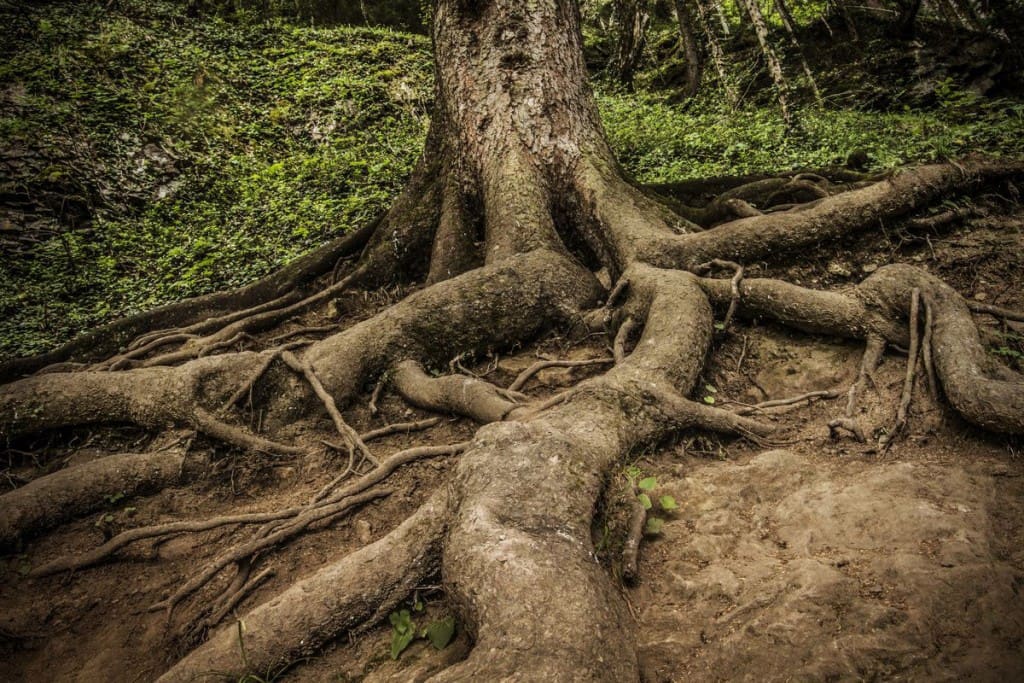
Tree roots are a common cause of water line damage. As they seek moisture, roots can wrap around or break into water lines, especially in older homes. In colder climates, repeated freezing and thawing cycles can weaken pipe joints or cause cracks. Soil shifting or foundation settling may also strain or dislodge sections of the water line.
And of course, accidental damage is always possible. Landscaping projects, fence installations, or nearby construction can puncture or crush buried pipes if proper precautions aren’t taken.
Is a Leaking Main Water Line Dangerous?
Absolutely. Even a small leak in your main supply line can cause big problems over time. Leaking water erodes soil, softens foundations, and encourages mold or mildew growth inside your home. Left unchecked, it can lead to slab leaks, sinkholes, or flooding in basements and crawl spaces.
From a cost perspective, you’re not just losing water—you’re paying for it. A hidden leak can quietly run up your water bill while damaging your home’s structure and your landscaping. That’s why it’s critical to address a suspected water line leak as soon as possible—not just to protect your home, but to protect your wallet.
What to Do If You Suspect Main Water Line to House is Leaking
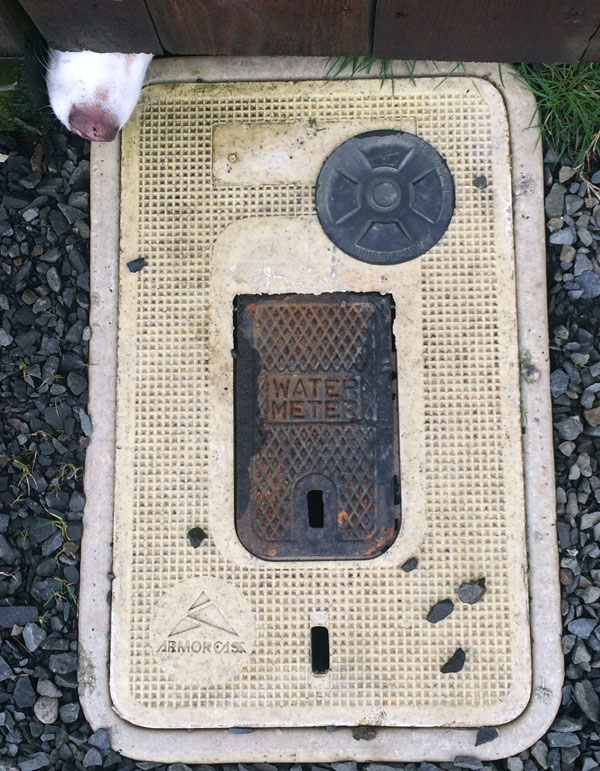
If you think your main water line is leaking, the first thing to do is check your water meter. Shut off all water fixtures and appliances inside your home, then look at the meter. If the dial is still spinning, water is flowing somewhere—and if nothing inside is using it, it may be escaping underground.
If you see water pooling on your property or hear active hissing sounds, your next step should be to turn off the main shutoff valve. This valve is usually located where the water line enters your home—often in a utility area or basement. Shutting off the water can prevent further damage while you assess the situation.
Next, call a professional plumber. Main water line repairs are not DIY jobs. The line may be buried several feet below ground, and digging without the proper permits or utility markings can lead to costly mistakes or even danger from nearby gas or power lines. Don’t guess. Let a licensed plumber investigate and handle the repair.
How Meticulous Plumbing Finds and Diagnoses Water Line Leaks
At Meticulous Plumbing, we specialize in identifying hidden water line issues with minimal disruption to your home or yard. Our licensed team uses modern diagnostic tools like acoustic leak detection, thermal imaging, and pressure testing to pinpoint the problem—without unnecessary digging.
We take the time to explain exactly what’s going on, walk you through your repair options, and provide upfront pricing before any work begins. If a repair is possible, we’ll fix the damaged section using durable, long-lasting materials. If replacement is needed, we’ll ensure your new water supply line is installed to current code and ready to stand the test of time.
Repairing vs. Replacing a Leaking Water Line
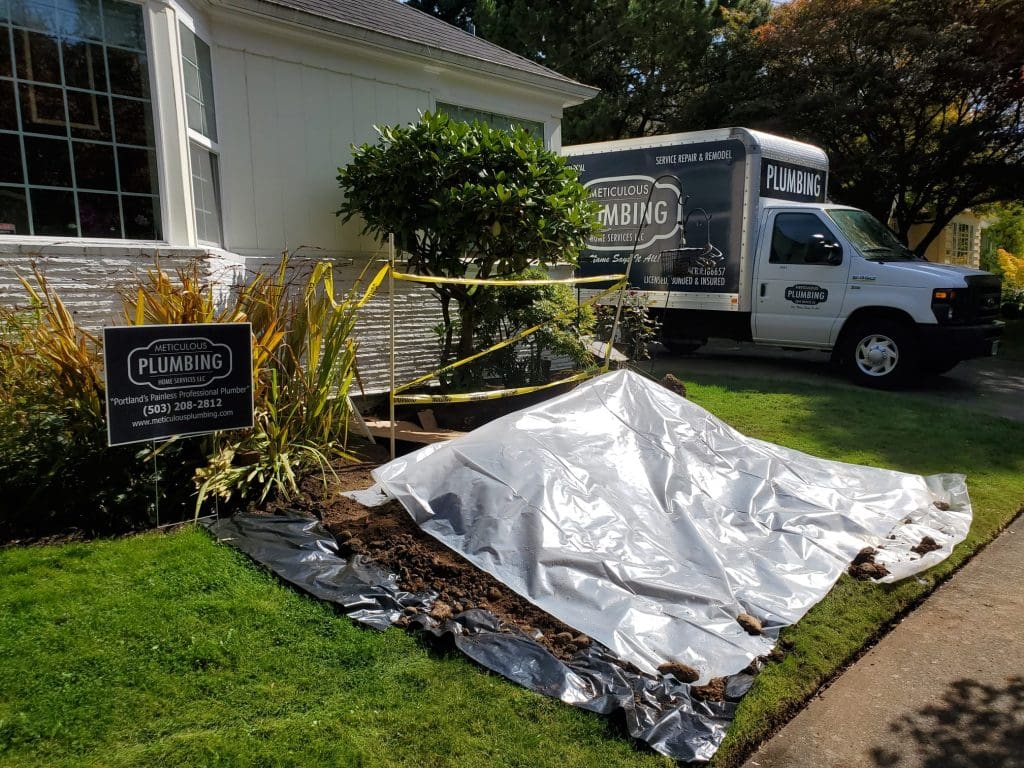 Not every leak requires a full replacement. In some cases, we can isolate and repair the damaged portion of the line. This is typically the fastest and most cost-effective solution—especially if the rest of the pipe is in good condition.
However, if your line is made of outdated material, or if we find multiple weak points during our inspection, a full replacement may be the smarter long-term move. Depending on your location and soil conditions, we may offer trenchless repair methods that reduce excavation and mess.
Our team always explains the pros and cons of each approach. We don’t believe in patch jobs just to get you by—we want to solve the problem for good.
Can Future Water Line Leaks Be Prevented?
While no water line lasts forever, there are a few things homeowners can do to reduce the risk of future leaks:
First, keep trees, shrubs, and large landscaping features away from the path of your supply line. Roots are one of the most common causes of underground pipe damage.
If your home has older plumbing and you’re starting to notice pressure changes, weird sounds, or water bill spikes, consider scheduling a whole-house plumbing inspection. Catching small issues early prevents big problems later.
If you’re buying a home over 30 years old, ask whether the water line has ever been replaced—and what it’s made of. Investing in updated materials can give you peace of mind for decades to come.
Main Water Line to House Is Leaking FAQs
How do I know if my main water line is leaking underground?
Look for signs like soggy patches in your yard, low water pressure, or unusually high water bills. You can also shut off all water in the home and check your meter—if it keeps running, you may have a leak underground.
Will a leaking water line affect my water pressure?
Yes. A break in the supply line can allow water to escape before it reaches your fixtures, resulting in reduced flow throughout your home. You might notice weak showers, slow-filling appliances, or inconsistent water temperature.
Does homeowners insurance cover main water line leaks?
It depends on your policy. Many standard plans exclude “wear and tear,” but may cover sudden, accidental damage. Some insurance providers offer add-on coverage for service line repairs—check with your provider to be sure.
How much does it cost to replace a water supply line?
Costs vary based on the length of the line, location, and materials. In general, replacement can range from a few thousand dollars for short lines to more for complex installations. Meticulous Plumbing always provides upfront pricing after inspection.
Is it better to repair or fully replace a leaking water line?
If the leak is isolated and the rest of the pipe is in good condition, a repair may be all you need. But if your pipe is outdated, corroded, or showing signs of systemic failure, a full replacement may be more cost-effective and secure in the long run.
Why Homeowners Trust Meticulous Plumbing
Meticulous Plumbing has earned a reputation in Portland for doing things the right way. When we respond to a suspected water line leak, we don’t just fix the obvious symptom—we evaluate the whole system to ensure your plumbing is strong, safe, and reliable.
We show up on time, wear clean uniforms, use shoe covers indoors, and leave the site cleaner than we found it. We also believe in transparent communication. You’ll always understand what we’re doing, why we’re doing it, and how it protects your home.
Most importantly, we take leaks seriously. Whether you’re dealing with a soaked lawn, foundation damage, or just a mystery water bill, we’re here to help you get answers—and solutions that last.
Main Water Line to House is Leaking? Get Peace of Mind Today.
Don’t ignore the signs of a leaking main water supply line. From high water bills to lawn flooding, these issues can cause serious damage and costly repairs if left unaddressed. At Meticulous Plumbing, we provide expert diagnosis, honest recommendations, and permanent solutions—without the mess or mystery. Call us today to protect your home, your water supply, and your peace of mind.