
If you’ve already decided your home needs new plumbing, the next question is usually what the experience will actually be like. Understanding what to expect when repiping a house removes most of the uncertainty, because a professional repipe is an organized, step-by-step project, and a good plumber will explain every part of it before any work begins.
We’re Meticulous Plumbing, a family-owned plumbing company in Portland, OR, and whole-home repiping is a significant part of what we do. Here’s how the process typically unfolds, from the first conversation to the final walkthrough.
What Is Involved in Repiping a House?
Repiping a house means replacing the water supply pipes that deliver hot and cold water to your faucets, showers, toilets, and appliances. Most homes that need a repipe have aging galvanized steel or older copper pipes that have started to corrode, develop leaks, or reduce your water pressure.
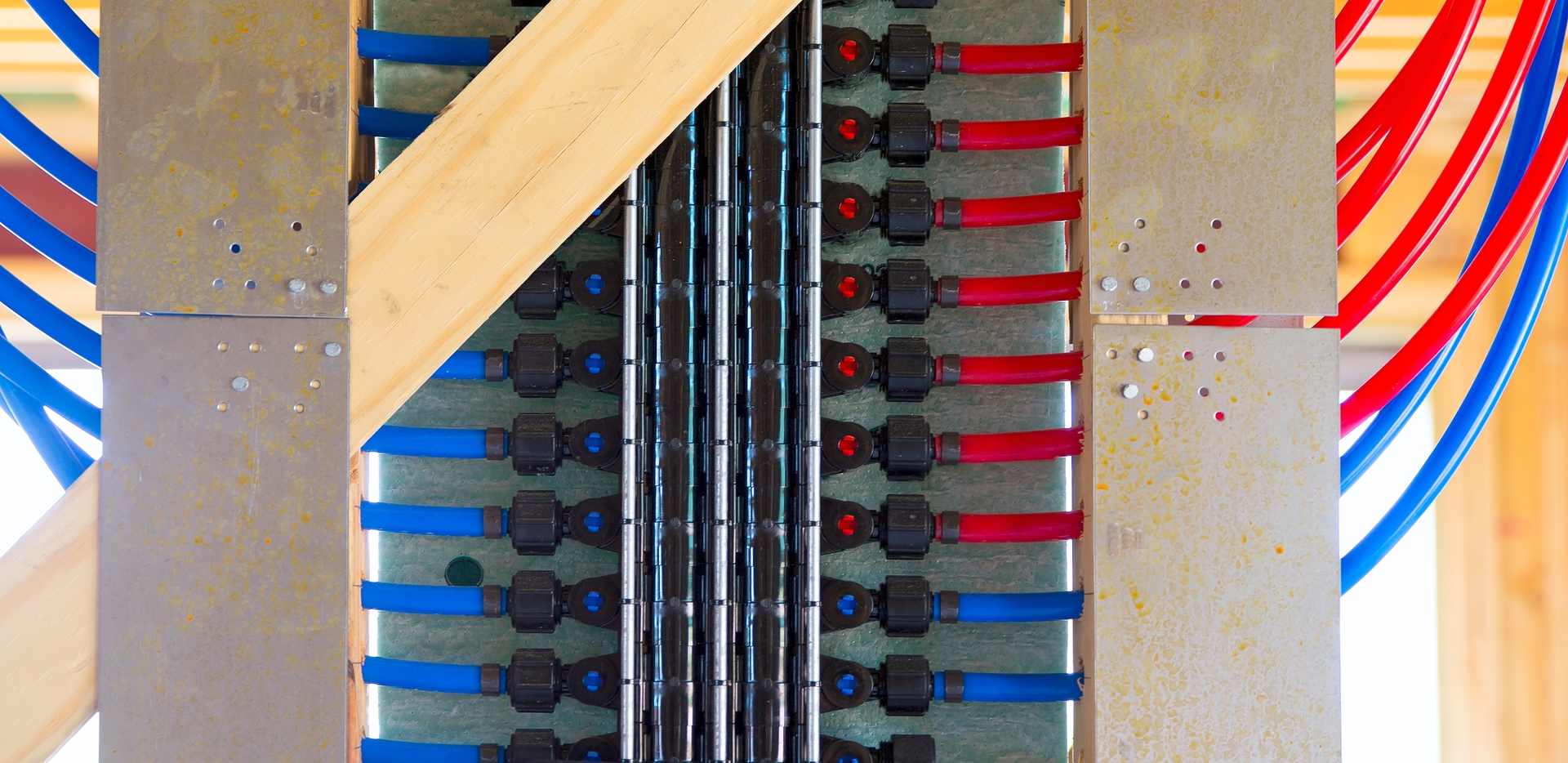
The replacement system is usually PEX-A, a flexible pipe that resists corrosion and can last 50 years or more. Because it bends around corners, it requires fewer fittings than rigid piping, which means fewer connections where leaks could eventually develop.
Step 1: An Initial Walkthrough and a Detailed Plan
Every repipe begins with an initial visit to your home, where we evaluate your existing pipes, your water heater, and your main shutoff valve. We’ll also ask about any problems you’ve noticed, such as low water pressure, discolored water, or recurring leaks.
From there, we prepare a detailed plan explaining which pipes will be replaced, which materials we recommend, approximately how long the project should take, and what it will cost. You’ll understand exactly what’s happening before anything starts, and we’re always available to answer questions throughout the project.
Step 2: The Plumbing Permit
A whole-home repipe requires a plumbing permit, since it replaces the water lines throughout your house. We handle the permit application so you don’t have to deal with the paperwork, and the city inspects the completed plumbing to confirm it meets local code requirements.
Step 3: Protecting Your Home and Belongings
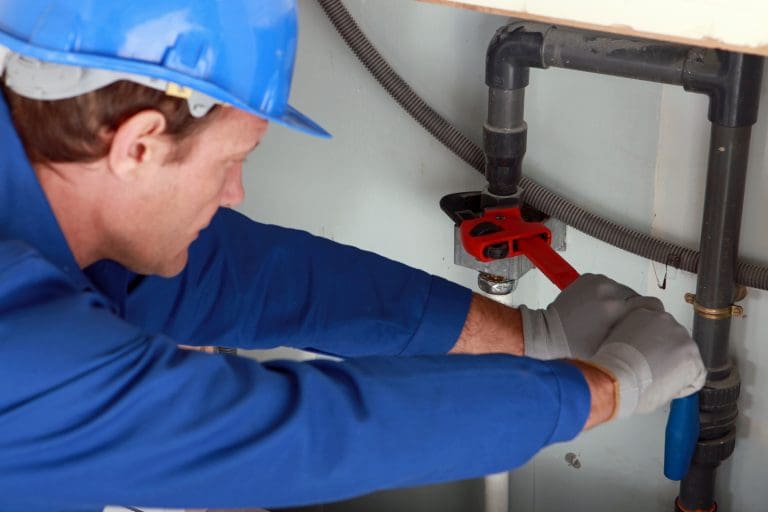 Before removing any old piping, we protect the areas where we’ll be working. Our team wears uniforms and shoe covers, places protective coverings along the floors we’ll be walking on, and covers furniture and belongings near the work areas. We treat your home the way we’d want our own family’s home treated, and we keep every work area as organized as possible throughout the project.
Step 4: Installing the New Water Lines
This is the most involved portion of the project. We install new water lines from your main shutoff to every fixture in the house, working through areas like the basement, crawlspace, and attic whenever possible, and then connect each completed section to your faucets, toilets, water heater, and appliances.
Most homeowners are surprised by how organized this stage is, because we follow a planned schedule and work through the house in sections rather than leaving everything disconnected for days.
Step 5: Pressure Testing and Inspection
Once the new system is installed, we pressure-test it to confirm that every connection is secure before the water is permanently restored. Afterward, the city inspector reviews the installation, and we make sure everything passes before we consider the project complete.
Step 6: Cleanup, Recycling, and a Final Walkthrough
When the work is finished, we clean up thoroughly and recycle the old piping instead of sending it to a landfill. Then we walk through your home with you, show you the location of your new shutoff valves, and explain how to use them. Every repipe also comes with a 5-year warranty.
How Long Does It Take to Repipe a House?
Most residential repipes take a few days, although the exact timeline depends on the size of the house, the number of bathrooms, and how accessible the existing pipes are. We’ll give you a realistic schedule during the initial walkthrough, so you can plan your week accordingly.
Can You Stay in Your Home During a Repipe?
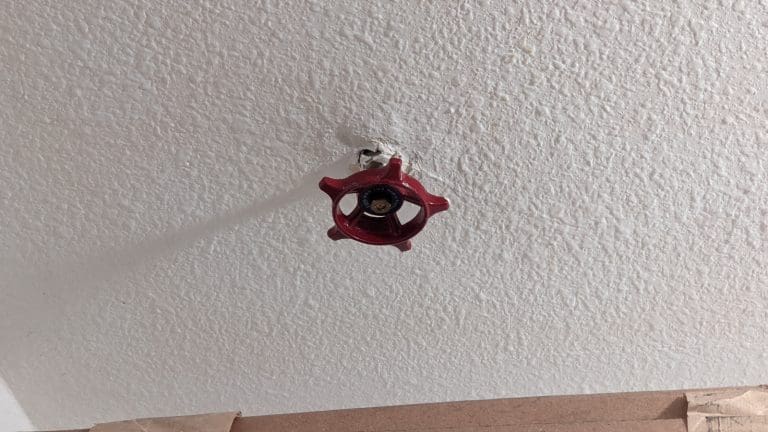 Yes, most families continue living at home throughout a repipe. Your water will be turned off during portions of the workday, but we’ll tell you in advance when to expect it, so you can schedule showers, laundry, and meals around those hours. It also helps to keep children and pets away from the work areas, clear the space under your sinks, and make sure we can easily reach your water heater, basement, crawlspace, or attic.
What Happens After the Repipe Is Finished?
During the first day or two, you may notice air sputtering from the faucets or slightly cloudy water while trapped air works its way out of the new lines, which is completely normal and usually disappears quickly. If a faucet’s flow seems weaker than before, the small screen at the tip, called an aerator, may have collected some loose debris, and rinsing it usually solves the problem.
Frequently Asked Questions About Repiping a House
How do I know if my house needs a repipe?
Common warning signs include rusty or discolored water, frequent leaks, low water pressure throughout the house, and galvanized steel pipes, which are especially common in older Portland homes.
Is it worth it to repipe a house?
For many homeowners, yes. A repipe replaces deteriorating pipes before they cause repeated leaks and expensive water damage, and it provides consistent water pressure and dependable, clean water for decades.
Will I have water every evening during the repipe?
We’ll explain the water schedule for your specific project before we begin, so you’ll always know when the water will be off and when it will be restored.
Does a repipe require a permit in Portland?
Yes. Replacing the water lines in your home requires a plumbing permit, and we take care of it as part of the project.
What warranty comes with a whole-home repipe?
Every repipe we complete includes a 5-year warranty.
If you’d like to know what a repipe would involve in your home, contact Meticulous Plumbing. We’ll evaluate your pipes, explain your options in plain language, and provide a clear plan before any work begins.