
If your showers are turning cold halfway through or your taps aren’t delivering consistently heated water, you’re not alone. Many Portland homeowners experience water heater issues that sneak up gradually—until someone gets a blast of cold water in the middle of the rinse cycle. So, what causes your hot water supply to suddenly come up short, and what can you do about not enough hot water?
Let’s break down common causes, solutions, and when it might be time to call in the professionals.
Common Reasons You’re Not Getting Enough Hot Water
Several issues could be behind your declining hot water output. Here are some of the most frequent culprits:
1. Your Water Heater Tank Is Too Small
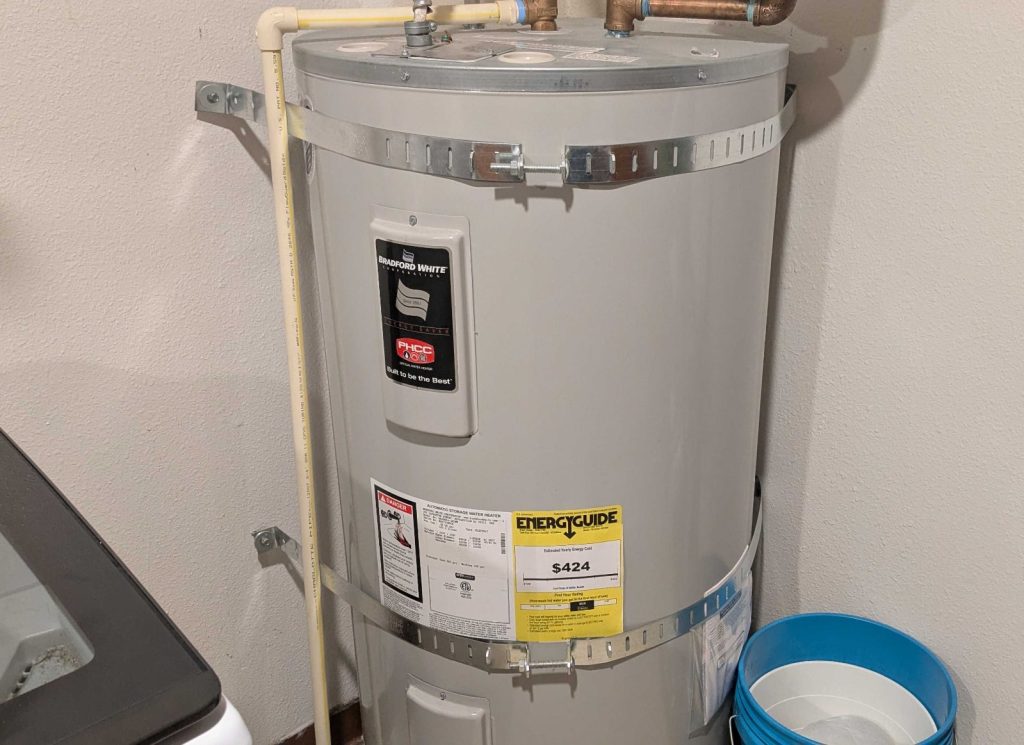
It may sound simple, but many homes have a water heater that just isn’t sized correctly for household demand. A growing family or new appliances (like a dishwasher or deep soaking tub) can strain an old size water heater that once worked fine. If your tank is undersized, it’ll run out of hot water faster than it can replenish.
Solution: Consider upgrading to a larger water heater tank or installing a tankless water heater, which heats water on demand rather than storing it.
 2. Sediment Build-Up at the Bottom of the Tank
Over time, minerals in your water—especially hard water—settle and form sediment at the bottom of the tank. This sediment build-up acts like a barrier between the burner and the water, reducing heating efficiency and available hot water.
Solution: Routine maintenance, including tank flushing, can extend the life of your water heater and restore its full capacity.
3. A Broken Dip Tube
The dip tube carries incoming cold water to the bottom of the water heater tank to be heated. If the tube cracks or breaks, cold water may mix at the top with heated water, causing lukewarm water to exit the tap.
Solution: A plumber can inspect and replace a broken dip tube quickly and affordably.
4. Issues with Your Water Softener
A water softener can improve water quality, but if it’s malfunctioning or set improperly, it might interfere with heating cycles or even cause additional sediment issues.
Solution: Make sure your softener is functioning properly and is installed with your plumbing system in mind.
5. Old or Worn-Out Water Heater
All water heaters eventually wear out. Traditional tanks generally last about 8–12 years. As they age, internal components like heating elements or thermostats may fail, leading to an inconsistent hot water supply.
Solution: If your unit is nearing the end of its lifespan, talk to a trusted plumber about whether repair or replacement is the smarter long-term choice.
Can a Water Heater Be Fixed—or Should You Replace It?
In many cases, a water heater that’s not producing enough heated water can be repaired—especially if the issue is something like a worn thermostat, heating element, or dip tube. However, if the tank is leaking, the bottom of the tank is corroded, or the unit is simply too small or outdated, replacement might be the better option.
Best Water Heaters for Reliable Hot Water
 Choosing the right water heater depends on your household size, water usage habits, and budget. A few options to consider:
- Standard storage tanks (30–80 gallons) are reliable but may run out of hot water during heavy usage.
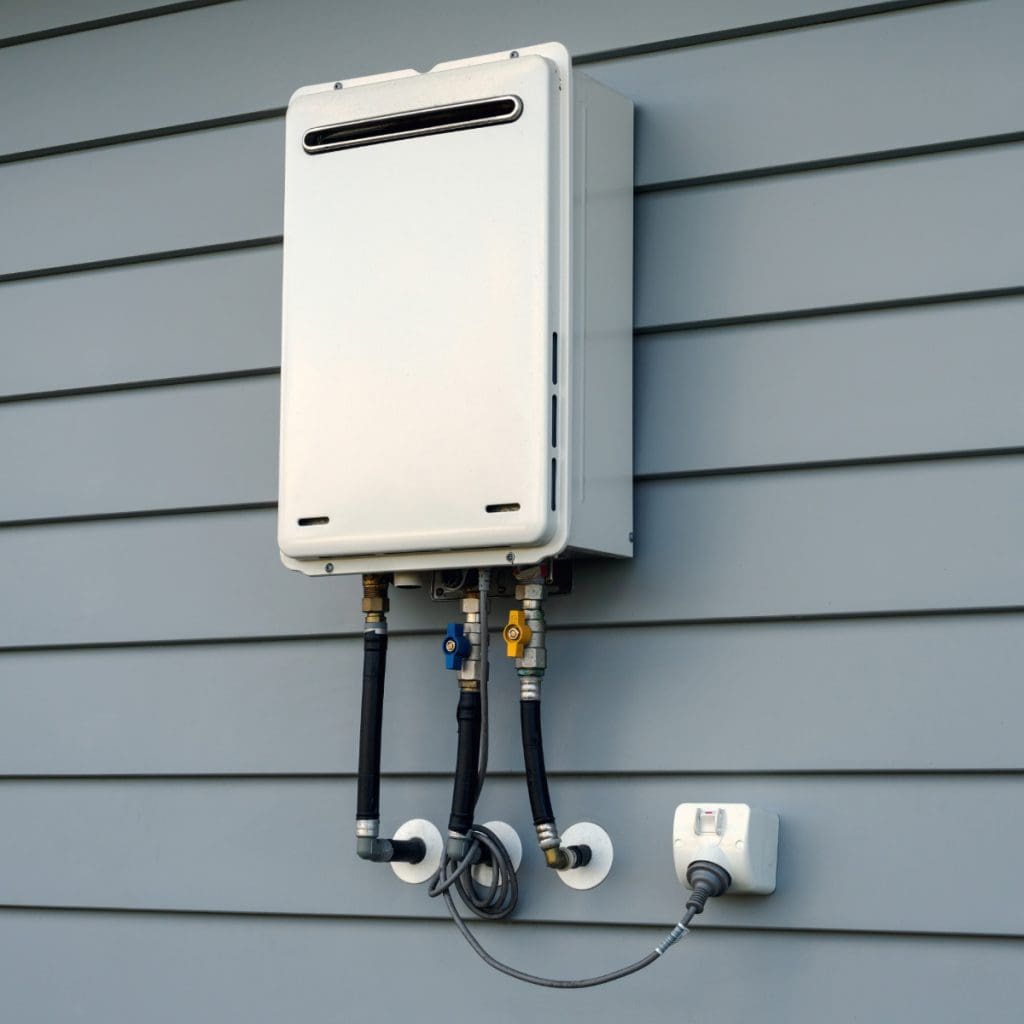
- Tankless water heaters offer on-demand hot water without storage, providing virtually unlimited supply for the right-sized unit.
- Hybrid or heat pump systems are energy-efficient and good for long-term savings, but take up more space.
If you’re unsure what type or size water heater is right for your home, Meticulous Plumbing can guide you through the decision with honest, expert advice.
FAQs About Not Getting Enough Hot Water
- Why does my shower run out of hot water so quickly?
Your water heater might be undersized, suffering from sediment build-up, or have a broken dip tube that’s causing poor mixing of hot and cold water. - How often should I flush my water heater?
At least once a year. This helps remove sediment build-up and extend your unit’s lifespan. - Can a tankless water heater run out of hot water?
Not typically. However, if the unit is too small for your household’s peak usage, you may still experience shortages. - What are the signs I need a new water heater?
Inconsistent water temperature, visible corrosion, leaking from the base, or age over 10–12 years may indicate it’s time for a replacement. - Does a water softener improve hot water supply?
A water softener can reduce mineral deposits and improve water quality, but if not properly maintained, it may also interfere with your heater’s performance.
Call Meticulous Plumbing for Reliable Hot Water Solutions
If your hot water isn’t cutting it anymore, Meticulous Plumbing is here to help. We’ll inspect your water heater tank, identify issues, and recommend repair or replacement options that match your home’s needs. Whether you’re looking for a tankless water heater, need to flush sediment build-up, or simply want a second opinion, we deliver expert, honest service every time.
Call Meticulous Plumbing today—because when it comes to hot water, you shouldn’t have to settle for cold surprises.